Written by 14:08 COVID Recovery

Micronutrients for Long COVID Immune Recovery: 5 Essential Nutrients to Reset Immune Dysregulation

The right micronutrients for Long COVID immune recovery can reset immune dysregulation fast. Here are the 5 that work best.
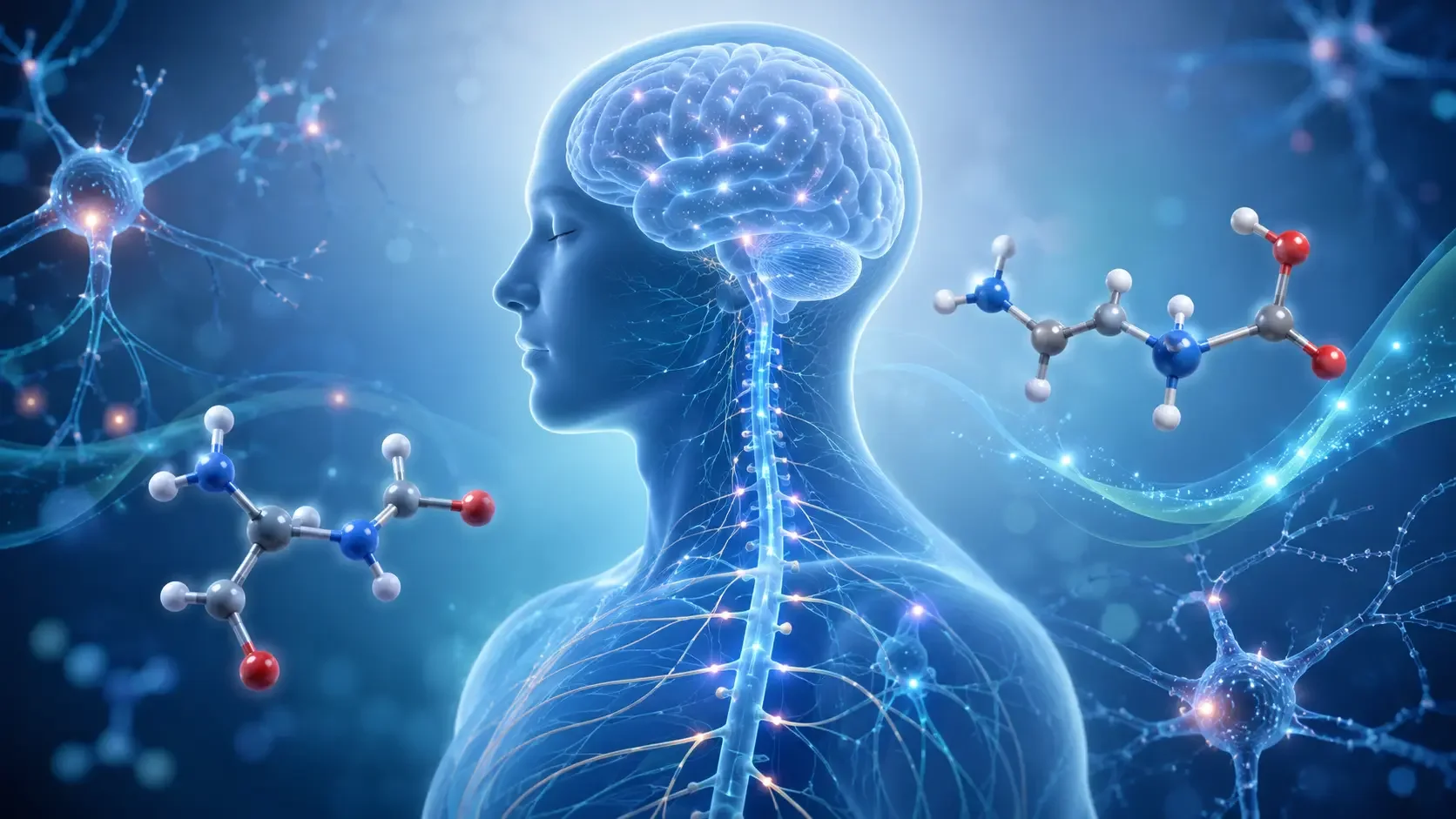
Five micronutrients for Long COVID immune recovery including vitamin D and magnesium

Your immune system after Long COVID rarely behaves the way it used to. Some days it feels hyperreactive, flaring at the smallest trigger, while other days it seems unable to mount any real defense at all. The right micronutrients for Long COVID immune recovery give your body the raw material it needs to recalibrate this dysregulated response, rather than leaving your immune system to sort itself out on an unpredictable timeline.

Five micronutrients for Long COVID immune recovery including vitamin D and magnesium
Micronutrients for Long COVID Immune Recovery: 5 Essential Nutrients to Reset Immune Dysregulation 6

Micronutrient depletion is common after viral infection, and Long COVID appears to place unusually heavy demands on several key nutrients your immune system depends on. Micronutrients for Long COVID immune recovery work by replenishing these specific deficits, giving your body back the tools it needs for balanced, appropriate immune signaling instead of the erratic overreaction or underreaction so many Long COVID patients experience. Getting these foundational micronutrients for Long COVID immune recovery right early often determines how smoothly the rest of your recovery unfolds.

This guide covers the five micronutrients for Long COVID immune recovery with the strongest research and clinical support behind them, why each one matters, and how to sequence them into a workable daily routine.

Medical Disclaimer: This article is for informational purposes only and is not a substitute for professional medical advice, diagnosis, or treatment. Always consult a qualified healthcare provider before making changes to your diet, supplement routine, or health plan.

Why Micronutrients for Long COVID Immune Recovery Matter

Immune dysregulation in Long COVID is not simply a matter of your immune system being weak or overactive in a single, consistent direction. Instead, many patients experience a confusing mix of both: chronic low-grade inflammation alongside an apparent inability to fully clear lingering viral proteins or reactivated latent infections. Micronutrients for Long COVID immune recovery address this imbalance by supplying the specific building blocks your immune cells need to communicate and respond appropriately.

A 2025 study published in PubMed found that vitamin D deficiency was significantly associated with the overall presence and severity of Long COVID signs and symptoms, with deficient patients showing meaningfully worse outcomes across multiple symptom categories. This kind of finding illustrates why simply eating a generally healthy diet often is not enough. Long COVID appears to create nutrient demands well beyond typical maintenance levels.

Rather than guessing at what your body needs, the five micronutrients for Long COVID immune recovery covered here represent the deficits most consistently observed and most directly tied to the immune, sleep, and nervous system symptoms that define this condition.

It is worth understanding why these particular deficits show up so consistently. Acute viral infection places enormous metabolic demand on your body, burning through nutrient reserves faster than normal dietary intake replaces them. For most people this temporary depletion resolves within weeks as normal eating patterns resume. In Long COVID, however, ongoing inflammation and immune activation appear to keep these demands elevated well past the point where acute infection has cleared, which is precisely why targeted micronutrients for Long COVID immune recovery so often produce noticeable benefit even in people already eating a reasonably balanced diet.

Vitamin D Deficiency: The Most Common Micronutrient Gap After Long COVID

Vitamin D deficiency is remarkably common among Long COVID patients, and it is not simply a coincidence. Vitamin D functions more like a hormone than a typical vitamin, with receptors present throughout your immune system, including on T cells, B cells, and the monocytes responsible for coordinating your body’s inflammatory response.

The same research linking vitamin D deficiency to Long COVID severity also found that patients with confirmed Long COVID had significantly lower vitamin D levels than those who recovered without lingering symptoms. This vitamin D deficiency appears to compound the immune dysregulation already present after infection, since vitamin D plays a direct role in regulating both the initial inflammatory response and the longer-term resolution of inflammation once a threat has passed.

Testing your actual vitamin D level through bloodwork, rather than guessing, is the smartest first step. Many Long COVID patients need therapeutic doses of 5,000 to 10,000 IU daily to correct a significant vitamin D deficiency, well above the standard maintenance dose of 600 to 800 IU recommended for the general population. Retesting after two to three months helps confirm your levels have moved into a healthy range rather than continuing to guess indefinitely.

It is worth pairing vitamin D with vitamin K2 and magnesium, since these nutrients work together in your body’s calcium regulation pathways. Taking high-dose vitamin D without adequate K2 can theoretically direct calcium toward soft tissue rather than bone, though this concern is more relevant at very high doses over extended periods than at typical therapeutic correction doses. Choosing a vitamin D3 supplement that already includes K2, or adding a separate K2 supplement, is a reasonable precaution for anyone starting a longer-term micronutrients for Long COVID immune recovery protocol built around correcting this vitamin D deficiency properly.

Testing for vitamin D deficiency as part of micronutrients for Long COVID immune recovery
Micronutrients for Long COVID Immune Recovery: 5 Essential Nutrients to Reset Immune Dysregulation 7

Magnesium Sleep Immune Support: Restoring Rest and Regulation

Magnesium sits at the intersection of two systems that Long COVID disrupts significantly: sleep quality and immune regulation. This magnesium sleep immune connection matters because poor sleep itself worsens immune dysfunction, creating a cycle where inadequate rest and immune dysregulation feed into one another.

Magnesium is involved in hundreds of enzymatic processes throughout your body, including the regulation of neurotransmitters that control your ability to fall and stay asleep. Chronic stress, which Long COVID recovery inevitably involves to some degree, depletes magnesium reserves faster than normal dietary intake can typically replace them. This magnesium sleep immune deficit compounds over time if left unaddressed, making both sleep and immune symptoms progressively harder to manage.

Magnesium glycinate is generally the best-tolerated form for sleep and relaxation purposes, since it is less likely to cause the digestive upset associated with magnesium oxide or magnesium citrate at higher doses. Most people benefit from 200 to 400 milligrams taken in the evening, roughly 30 to 60 minutes before bed, allowing time for the calming effects to take hold before you actually need to fall asleep.

Beyond sleep, magnesium plays a direct role in immune cell signaling, and deficiency has been linked to increased inflammatory markers in general population studies. This dual role, supporting both the sleep your body needs to repair itself and the immune signaling that determines how appropriately your body responds to threats, is what makes this magnesium sleep immune connection so central to a well-rounded micronutrients for Long COVID immune recovery approach. Many people who address magnesium alongside vitamin D as part of their micronutrients for Long COVID immune recovery routine report noticeably better results than addressing either nutrient alone.

Glycine Taurine Support: Calming an Overactive Nervous System

Glycine and taurine work together to calm an overactive nervous system, something particularly relevant for Long COVID patients whose immune dysregulation frequently overlaps with heightened anxiety, poor sleep, and a nervous system stuck in a low-grade state of alarm. This glycine taurine combination targets inhibitory neurotransmitter pathways that help your body shift out of constant fight-or-flight activation.

Glycine is an inhibitory neurotransmitter in its own right, and supplementing with it before bed has been associated with improved sleep quality and reduced daytime fatigue in several studies. However, it is worth noting that a subset of people find glycine produces vivid dreams or a groggy feeling upon waking rather than the intended calming effect. If this happens to you, reducing the dose or moving it earlier in the evening is often enough to resolve the issue, though some people find it simply does not agree with them regardless of timing.

Glycine taurine combination supporting nervous system calm in micronutrients for Long COVID immune recovery
Micronutrients for Long COVID Immune Recovery: 5 Essential Nutrients to Reset Immune Dysregulation 8

Taurine complements glycine by supporting both cardiovascular stability and immune cell function, two areas Long COVID frequently disrupts simultaneously. Typical doses range from 500 to 2,000 milligrams daily, and unlike glycine, taurine rarely causes the sleep-disrupting side effects some people experience, making it a safer starting point if you are hesitant to try glycine first.

Many practitioners recommend introducing taurine on its own for one to two weeks before adding glycine, specifically so you can identify which compound is responsible for any changes you notice, whether positive or negative. Since both nutrients work through related but distinct pathways, some people find they need only one of the two to achieve meaningful calming benefit as part of their micronutrients for Long COVID immune recovery routine, while others find the combination noticeably more effective than either alone. Paying attention to your individual response here matters more than following a rigid protocol, since this glycine taurine pairing affects people differently based on their existing neurotransmitter balance.

Electrolytes Dysautonomia Relief: Managing Orthostatic Symptoms

Dysautonomia, a malfunction of the autonomic nervous system that controls involuntary functions like heart rate and blood pressure, is remarkably common after Long COVID. A study on orthostatic intolerance in Long COVID patients documented how this dysfunction manifests as lightheadedness, rapid heartbeat, and fatigue that worsens specifically upon standing, symptoms that can be genuinely disabling for daily function.

Electrolytes dysautonomia management centers on maintaining adequate blood volume and proper sodium balance, since many Long COVID patients with orthostatic symptoms benefit significantly from increased sodium and fluid intake beyond what feels intuitively “healthy” under normal circumstances. Sodium, potassium, and magnesium work together to support healthy blood pressure regulation and nerve signaling throughout your cardiovascular and nervous systems.

Most people benefit from electrolyte supplementation that includes 1,000 to 3,000 milligrams of sodium daily, alongside adequate potassium and magnesium, particularly in the morning before getting out of bed, when orthostatic symptoms tend to be most pronounced. This electrolytes dysautonomia approach works best combined with other strategies like compression garments and gradual postural changes, rather than as a standalone fix.

It can feel counterintuitive to intentionally increase sodium intake, given how often general health advice pushes in the opposite direction. However, for people with genuine dysautonomia-related orthostatic intolerance, low blood volume is often part of the underlying problem, and adequate sodium helps your body retain the fluid needed to maintain stable blood pressure upon standing. This is a case where standard population-level dietary advice does not necessarily apply to the specific physiology at play in Long COVID-related dysautonomia, which is why working with a practitioner familiar with this condition matters so much for getting the electrolytes dysautonomia balance right within your broader micronutrients for Long COVID immune recovery plan.

Electrolyte supplementation supporting dysautonomia symptoms in micronutrients for Long COVID immune recovery
Micronutrients for Long COVID Immune Recovery: 5 Essential Nutrients to Reset Immune Dysregulation 9

Frequently Asked Questions About Micronutrients for Long COVID Immune Recovery

Which micronutrients for Long COVID immune recovery should I start with?

Most people begin with vitamin D and magnesium together, since both address foundational deficits that show up consistently across Long COVID patients and both have strong safety profiles at standard therapeutic doses. Electrolytes are typically added next if orthostatic symptoms like dizziness upon standing are present. Starting with these two core micronutrients for Long COVID immune recovery before adding anything else tends to give the clearest sense of what is actually helping.

How long does it take for micronutrients for Long COVID immune recovery to work?

Vitamin D correction typically takes two to three months to show up on retested bloodwork, though some people notice subjective improvements sooner. Magnesium and electrolyte benefits for sleep and dysautonomia symptoms often appear within one to two weeks, since these effects are more immediate than the slower process of correcting a nutrient deficiency at the cellular level.

Can I take too much vitamin D?

Yes, though toxicity is uncommon at the doses typically used for correcting deficiency. Doses above 10,000 IU daily for extended periods without monitoring can lead to elevated calcium levels, so working with a practitioner who can order periodic bloodwork is the safest approach for higher-dose protocols.

Why does glycine help some people sleep but disrupt sleep for others?

The exact mechanism is not fully understood, but individual variation in neurotransmitter sensitivity likely explains why glycine’s calming effect helps most people while producing vivid dreams or grogginess in a smaller subset. If glycine does not agree with you, taurine alone often provides similar calming benefits without the same side effect profile.

Do I need to test for dysautonomia before using electrolytes?

ormal testing through a tilt table test or autonomic function testing can confirm a dysautonomia diagnosis, but you do not necessarily need formal testing before trying electrolyte supplementation, since it is low-risk for most people. If symptoms are severe or you have a history of high blood pressure, discuss electrolyte supplementation with your doctor first.

Are these micronutrients for Long COVID immune recovery safe with prescription medications?

Most are well tolerated, though vitamin D can interact with certain medications affecting calcium metabolism, and electrolyte supplementation should be used cautiously by anyone with kidney disease or on blood pressure medications. Always review new supplements with your doctor, particularly if you manage an existing health condition.

How do I know if my symptoms are related to a micronutrient deficiency versus something else?

Bloodwork remains the most reliable way to confirm actual deficiencies rather than guessing, particularly for vitamin D and magnesium. That said, symptoms like poor sleep, dizziness upon standing, and persistent fatigue are common enough across Long COVID that starting foundational micronutrients for Long COVID immune recovery while pursuing testing in parallel is a reasonable approach for most people. Many practitioners consider this dual-track strategy, testing and supplementing simultaneously, the most practical way to begin addressing micronutrients for Long COVID immune recovery without losing months to appointment scheduling and lab turnaround times.

Building Your Micronutrients for Long COVID Immune Recovery Plan

A complete approach to micronutrients for Long COVID immune recovery typically starts with vitamin D and magnesium as the foundation, since both address widespread deficits with strong research support and low risk at standard doses. Electrolytes are usually added next for anyone experiencing dysautonomia symptoms, followed by glycine and taurine to support nervous system regulation and sleep quality.

Sequencing your micronutrients for Long COVID immune recovery this way, foundational nutrients first and more targeted nervous system support afterward, tends to produce steadier progress than trying every supplement simultaneously. Bloodwork before and during your protocol also helps you track objective progress rather than relying solely on how you feel day to day, which can fluctuate for reasons unrelated to your supplement routine.

Because immune dysregulation touches nearly every other system Long COVID affects, many people find that correcting these foundational micronutrients for Long COVID immune recovery makes other recovery categories work more effectively. This is particularly true for mast cell stabilizers for Long COVID, since a better-regulated immune system tends to produce fewer unpredictable histamine flares in the first place.

Gut health also plays a supporting role in micronutrient absorption, since a damaged intestinal barrier can impair your ability to properly absorb vitamin D, magnesium, and other nutrients from both food and supplements. A healthy gut is often a prerequisite for micronutrients for Long COVID immune recovery to work as intended. Learn more in our companion guide: Gut Healing Supplements for Long COVID: 7 Proven Options to Repair Leaky Gut and Restore Microbiome Balance.

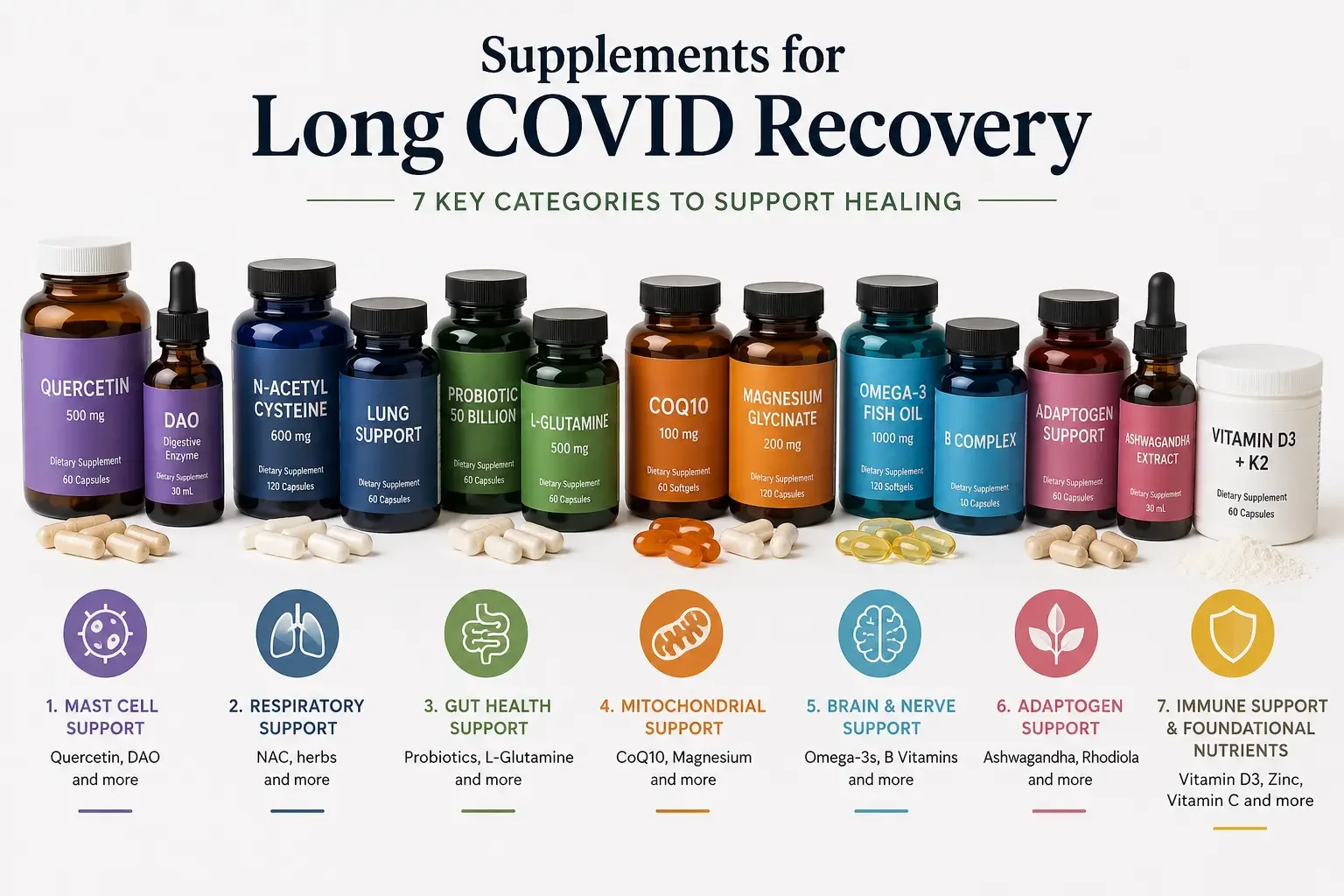
This category is one piece of a larger recovery framework. For the complete picture of how micronutrients for Long COVID immune recovery fit alongside mast cell, respiratory, gut, and cognitive support, see our full guide: Supplements for Long COVID Recovery: 7 Essential Categories to Reclaim Your Health.

Correcting foundational nutrient deficits often produces some of the most measurable, bloodwork-confirmed improvements in a broader Long COVID recovery protocol. Choosing well-researched micronutrients for Long COVID immune recovery over guesswork gives you a clear, trackable path forward. Work with a functional medicine practitioner who can order appropriate testing and help you fine-tune dosing for your specific deficiencies and symptoms.

Sources referenced include peer-reviewed studies indexed in PubMed and PubMed Central. Links to primary research are embedded throughout this article.

Visited 13 times, 1 visit(s) today
Close Search Window
Close