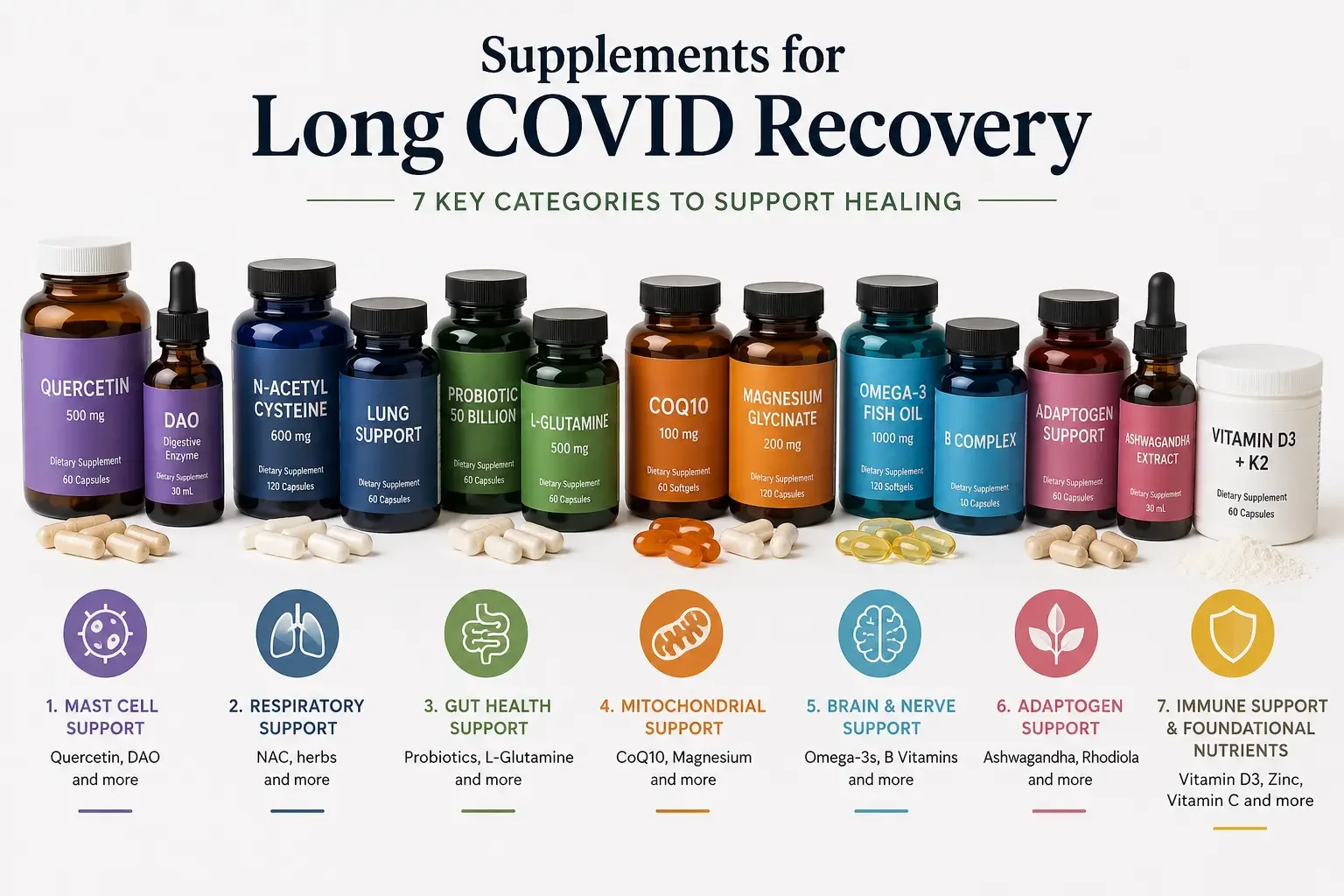
Long COVID can look very different from one person to another. Some people are mainly exhausted. Others develop brain fog, rapid heart rate, breathing problems, food reactions, sleep disruption, or a mix of symptoms across several systems.
More than 200 symptoms have been reported, so there is no single Long COVID look. The useful question is which patterns are showing up in your case and what other conditions need to be ruled out.
Seven Common Long COVID Symptom Patterns
1. Fatigue and post-exertional worsening. Many people feel much worse after physical or mental effort. This can happen hours later and may last for days. CDC guidance describes this as post-exertional malaise, or PEM.
2. Brain fog. Trouble concentrating, slowed thinking, memory problems, and word-finding difficulty are common. Sleep problems, autonomic dysfunction, inflammation, and altered energy metabolism may all contribute.
3. Dysautonomia. Some people develop dizziness, palpitations, heat intolerance, blood-pressure swings, or a large heart-rate increase when standing.
4. Breathing symptoms. Shortness of breath and chest tightness can persist even when routine scans look normal. Causes can include lung injury, dysfunctional breathing, dysautonomia, deconditioning, anemia, and other problems.
5. Histamine-type reactions. New food reactions, flushing, itching, congestion, headaches, and rapid heart rate are reported by some patients. Mast-cell and histamine pathways are being studied, but they do not explain every case.
6. Sleep and nervous-system disruption. Insomnia, unrefreshing sleep, adrenaline-like surges, anxiety, and a wired-but-tired feeling can occur.
7. Metabolic and hormonal changes. Weight, blood sugar, lipids, body composition, menstrual symptoms, and sex hormones can change after illness. These changes should be tested rather than automatically blamed on one mechanism.
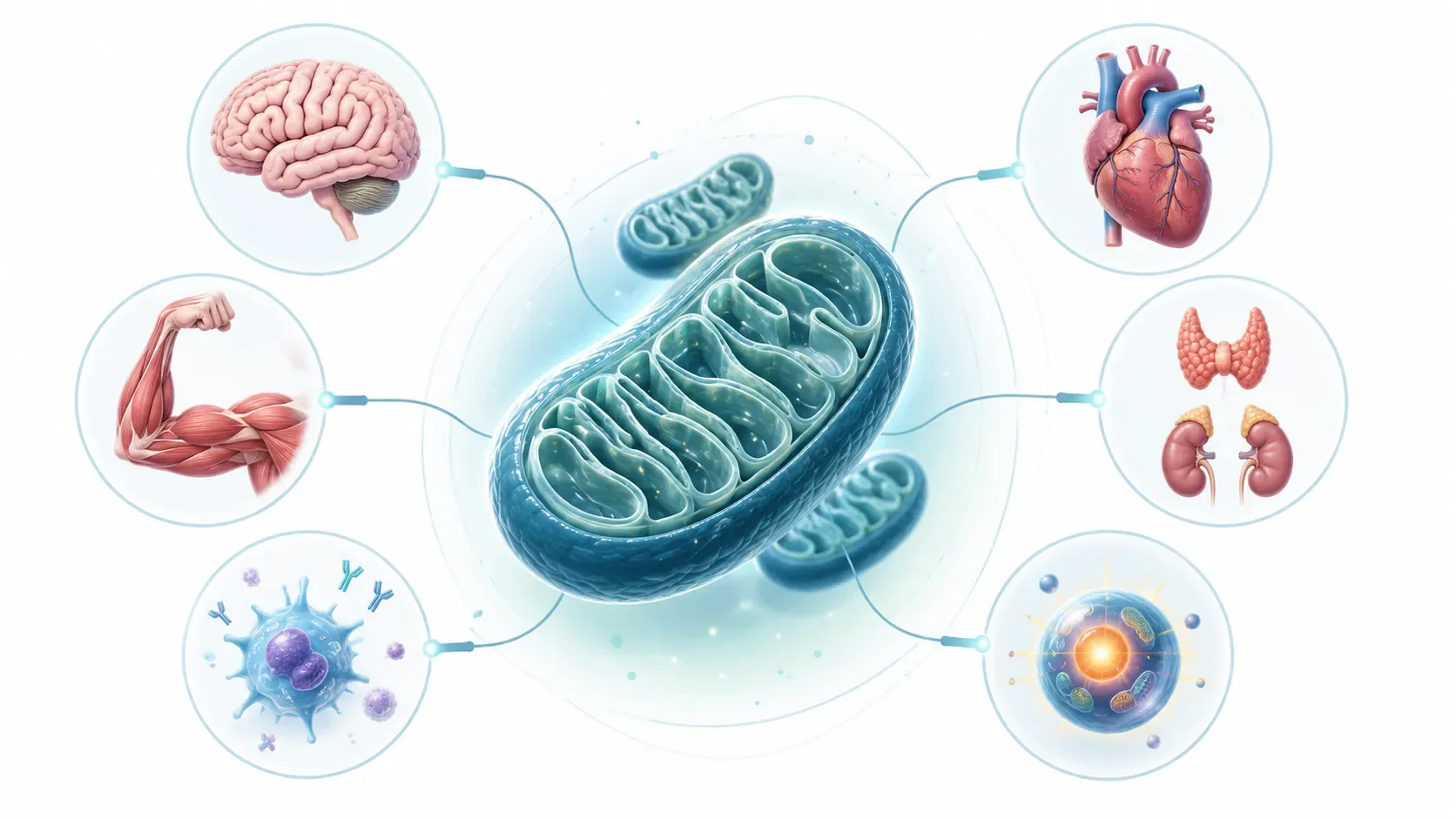
Where Mitochondrial Dysfunction Fits
Mitochondrial dysfunction is one active area of Long COVID research. Mitochondria are the structures inside cells that help turn nutrients and oxygen into usable energy.
Recent reviews describe abnormalities in cellular energy metabolism, oxidative stress, and mitochondrial function in some patients. This could help explain fatigue and exercise intolerance, but it is unlikely to be the only mechanism behind Long COVID.
It is more accurate to say mitochondrial dysfunction may be one important piece of the puzzle than to say it causes every symptom.
How Long COVID Can Affect Men
Men can develop the full range of Long COVID symptoms, including fatigue, dysautonomia, brain fog, breathing problems, and post-exertional crashes.
COVID has also been associated with temporary changes in testosterone in some studies, especially around acute illness. Persistent symptoms should not be diagnosed as low testosterone without proper morning blood testing and evaluation.
For men over 40, it can be useful to check whether a new hormonal problem is adding to fatigue, muscle loss, low libido, or mood changes.
How Long COVID Can Affect Women

Women appear to have a higher overall risk of developing Long COVID than men in several large studies. The difference is not the same at every age, and researchers are still working out why.
Possible explanations include immune differences, autoimmunity, autonomic function, and hormonal factors. Perimenopause can also overlap with Long COVID symptoms, which makes careful evaluation more important.
A 2025 NIH RECOVER analysis found a higher Long COVID risk in women overall, with the relationship varying by age, pregnancy, and menopausal status.
What Is Worth Checking
Long COVID is a clinical diagnosis, but testing can still identify other problems that are treatable. Depending on symptoms, that may include CBC, ferritin, B12, thyroid tests, glucose markers, liver and kidney tests, vitamin D, ECG, lung testing, and hormone testing when appropriate.
Dizziness or rapid heart rate when standing may justify orthostatic measurements or evaluation for dysautonomia. Persistent breathing symptoms may need pulmonary or cardiac testing.
Recovery Is Usually About Managing the Dominant Problems

There is no single Long COVID protocol that works for everyone. Pacing is especially important when post-exertional malaise is present, because repeatedly pushing through crashes can make symptoms worse.
Other parts of recovery may include sleep support, hydration, treatment of specific deficiencies, symptom-targeted medication, nutrition, rehabilitation that respects PEM, and management of histamine or autonomic symptoms when they are clearly present.
The Bottom Line
Long COVID is real, multisystem, and highly variable. Mitochondrial dysfunction, immune changes, autonomic problems, vascular changes, and other mechanisms may overlap rather than compete as one single explanation.
The best approach is to identify your dominant symptom patterns, rule out other treatable conditions, and build recovery around what your body is actually showing.
Why These Patterns Overlap
Long COVID symptoms often reinforce one another. Poor sleep can worsen pain and cognition. Dysautonomia can make exercise harder. Less activity can reduce conditioning. Histamine reactions can disturb sleep and heart rate. A crash after exertion can then worsen everything for several days.
This is one reason patients can feel as if ten different diseases arrived at once. Several systems may be involved, but they can still be connected.
For related reading, explore supplements for Long COVID recovery, mast-cell support for Long COVID, and our Long COVID section.
Common Questions About Long COVID Symptoms
Can routine tests be normal? Yes. Many people with Long COVID have major symptoms despite normal basic blood work or imaging. Normal tests can rule out some dangerous problems, but they do not erase symptoms.
Is every symptom caused by Long COVID? No. New thyroid disease, anemia, diabetes, sleep apnea, hormone changes, heart disease, medication effects, and other conditions can appear during the same period. Do not stop looking just because Long COVID is already on the chart.
Can people recover after several years? Yes, improvement can continue over long periods, although recovery is highly variable. Some people recover substantially, others improve partially, and some remain severely limited.
What should I track? Heart rate, blood pressure when relevant, sleep, activity, post-exertional crashes, food reactions, menstrual or hormone changes, and major symptom triggers can reveal patterns that a single clinic visit misses.