
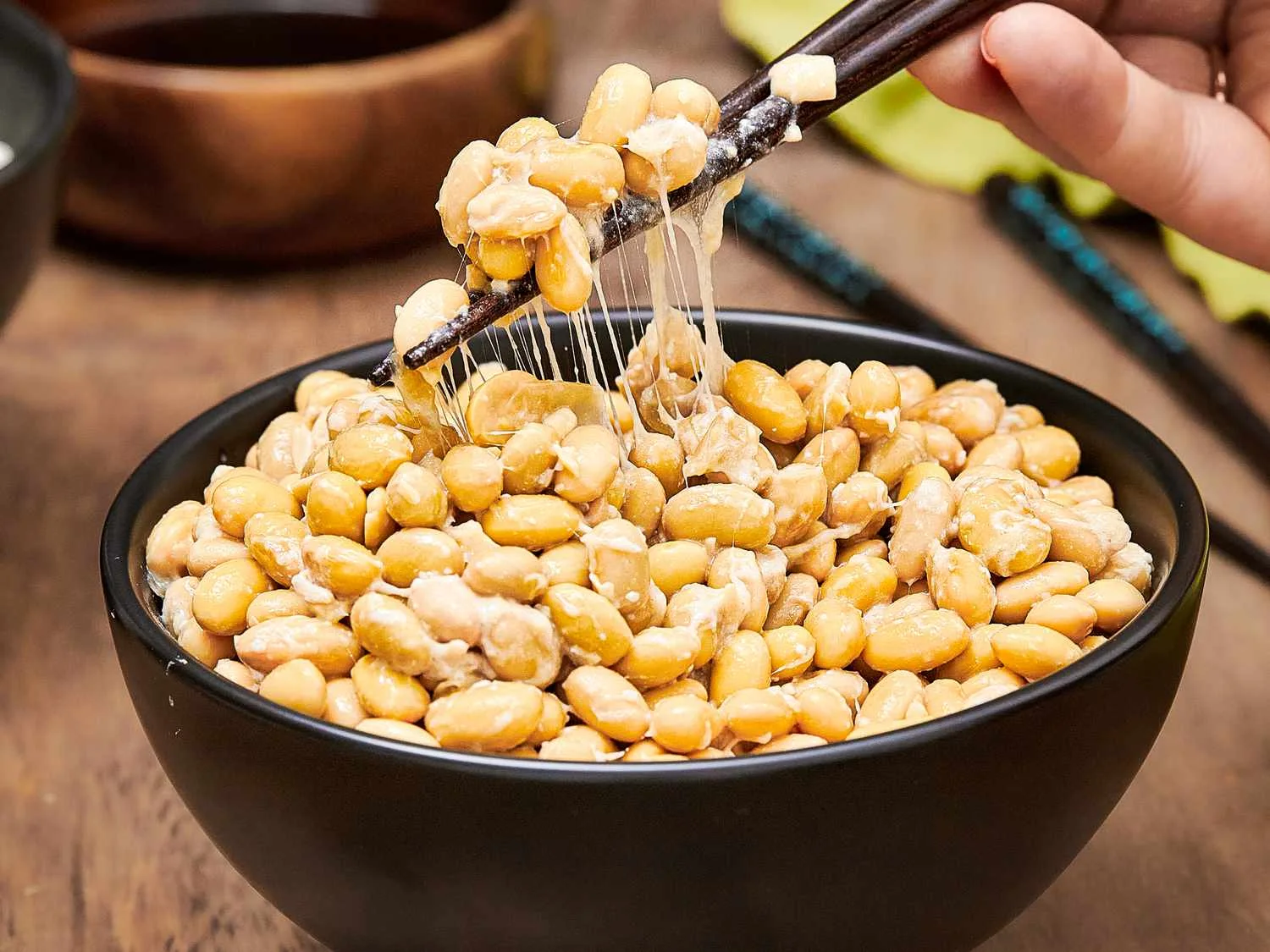
Nattokinase is an enzyme produced during the fermentation of soybeans into natto. It has fibrinolytic activity, meaning it can affect fibrin and some parts of the blood-clotting system.
It also became popular in COVID and Long COVID communities after a 2022 laboratory study showed that nattokinase could degrade SARS-CoV-2 spike protein in cell preparations.
That study is interesting. It does not prove that swallowing nattokinase removes spike protein from the human body.
A 2022 laboratory study showed that nattokinase can degrade SARS-CoV-2 spike protein in cell systems. No human trial has established that oral nattokinase clears spike protein from the body or treats Long COVID. Human studies do show fibrinolytic and blood-pressure effects, along with potential bleeding concerns.
What the Spike-Protein Study Found
Researchers exposed SARS-CoV-2 spike protein to nattokinase in laboratory cell systems. The spike protein was degraded in a dose- and time-dependent way.
That shows a direct biochemical effect under controlled laboratory conditions.
It does not tell us whether an oral nattokinase capsule reaches spike protein in human tissues at the same concentration, whether it clears persistent viral material, or whether it improves Long COVID symptoms.
What the Study Did Not Show
The study did not test people who had received a COVID vaccine. It did not show reduced vaccine-related spike protein in blood or tissue. It did not show prevention of myocarditis, stroke, heart attack, or blood clots after vaccination.
Claims that nattokinase has been proven to “detox spike protein” go beyond the evidence.
What We Do Know About Nattokinase in Humans
Nattokinase has been studied in people for cardiovascular and clotting-related outcomes.
Small randomized trials have found modest blood-pressure effects and short-term changes in coagulation or fibrinolysis markers. A longer randomized trial in 265 people found no significant effect on progression of subclinical atherosclerosis or several cardiovascular markers after three years.
So even outside COVID, the human evidence is mixed and depends on the outcome being studied.
What About Long COVID?
I think nattokinase remains interesting in Long COVID because clotting, fibrin, endothelial problems, and persistent viral material are all active areas of research.
But interest is not evidence of treatment benefit. We still need human trials that measure symptoms, biomarkers, dosing, safety, and actual spike or viral persistence before we can say nattokinase treats Long COVID.
Nattokinase Is Not Risk-Free
Because nattokinase affects fibrinolysis and coagulation markers, bleeding is a real consideration.
Case reports describe serious bleeding, including a fatal hemoperitoneum, and a cerebellar hemorrhage in a person taking nattokinase with aspirin.
It should not be used as a substitute for prescribed anticoagulation. Anyone taking anticoagulants or antiplatelet drugs, anyone with a bleeding disorder, or anyone preparing for surgery should discuss it with a qualified clinician.
Where Anecdotal Evidence Fits
There are many patient reports of nattokinase use after COVID, and those reports are worth paying attention to. They can identify patterns and help generate research questions.
They still cannot tell us whether nattokinase caused an improvement, what dose is best, or who may be harmed.
The Bottom Line
Nattokinase can degrade SARS-CoV-2 spike protein in a laboratory model. That is real mechanistic evidence.
It has not been proven to clear spike protein in people, reverse vaccine-related problems, or treat Long COVID. Those are separate questions that require human evidence.
For related reading, explore respiratory support for Long COVID, mast-cell support for Long COVID, and our Long COVID section.


