
The 9 Best Supplements for Women Over 40 Backed by Science
The best supplements for women over 40 can support hormones, energy, and sleep. Here is what the research says about which ones are actually worth taking.

This article is for informational purposes only and is not a substitute for professional medical advice, diagnosis or treatment.
Walk into any health food store as a woman over 40 and you will find an overwhelming wall of supplements all promising to fix your hormones, restore your energy, and make you feel like yourself again.
Most of them are not worth your money. Some of them have real research behind them. Knowing the difference is what this article is about.
The best supplements for women over 40 work by addressing the specific hormonal and metabolic changes that happen in this stage of life. They are not magic pills. They work best alongside a solid diet, good sleep, and stress management. But when used correctly, the right ones can make a meaningful difference.
This article covers the 9 supplements with the strongest evidence for women over 40, what each one does, what the research actually shows, and how to use them. This is part of our complete guide to women's hormonal health.
Why Supplementation Matters More After 40
After 40, several things shift at once. Estrogen and progesterone begin to decline. Nutrient absorption from food becomes less efficient. Chronic stress depletes key minerals faster than diet alone can replace them. Sleep disruption reduces the body's ability to recover and regulate hormones overnight.
The result is that many women over 40 are running on depleted nutrient reserves without realizing it. Magnesium deficiency is widespread and worsens sleep, anxiety, and blood sugar regulation. Vitamin D insufficiency is common and directly affects hormonal signaling. B vitamin depletion from stress impairs energy production and mood.
Food should always come first. But for women navigating significant hormonal change, targeted supplementation fills gaps that diet alone often cannot. The best supplements for women over 40 are the ones that address these specific deficiencies and support the hormonal systems under the most pressure.

The 9 Best Supplements for Women Over 40
1. Magnesium
Magnesium is arguably the single most important supplement for women over 40. It is involved in over 300 biochemical reactions in the body and plays a direct role in sleep quality, cortisol regulation, blood sugar management, muscle function, and bone density.
Studies estimate that a significant portion of adults do not get enough magnesium from diet alone. Stress depletes magnesium faster. Poor sleep is both a cause and a consequence of magnesium deficiency. For women in perimenopause, low magnesium worsens anxiety, muscle cramps, and the sleep disruption that comes with fluctuating hormones.
Research published in peer-reviewed journals consistently links magnesium supplementation to improved sleep quality, reduced cortisol, and better blood sugar regulation. It also supports bone density alongside calcium and vitamin D, which becomes increasingly important as estrogen declines.
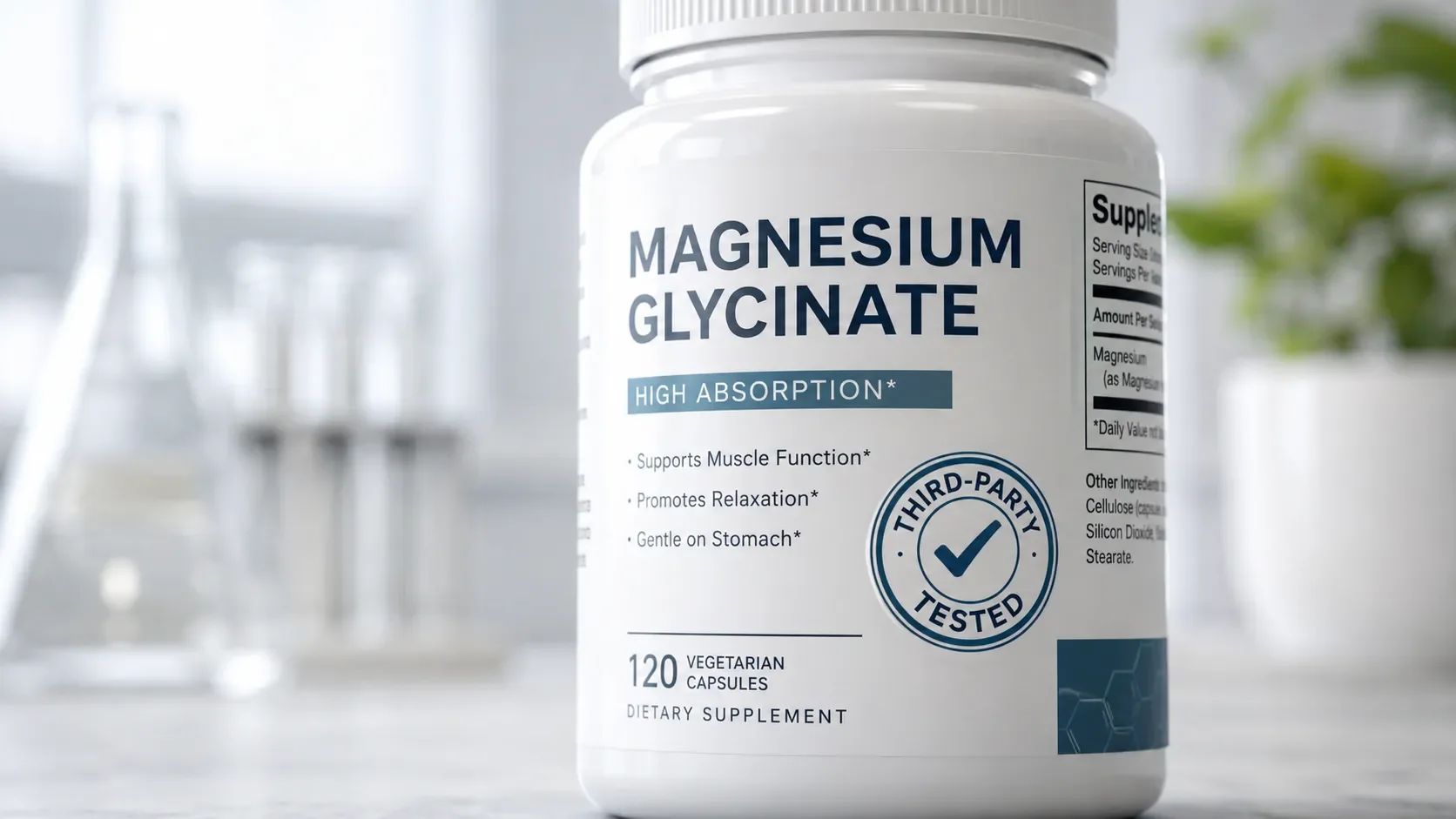
Recommended form: Magnesium glycinate or magnesium bisglycinate for sleep and anxiety support. Magnesium malate for energy and muscle soreness. Avoid magnesium oxide, which has poor absorption. Typical dose: 300 to 400 mg daily, taken in the evening.
2. Vitamin D3 with K2
Vitamin D is technically a hormone, not a vitamin. It is produced in the skin in response to sunlight and acts as a signaling molecule throughout the body, influencing immune function, mood, bone density, insulin sensitivity, and hormonal balance.
Most people living in northern climates or spending most of their time indoors are insufficient in vitamin D, and the problem worsens with age as skin becomes less efficient at producing it. Low vitamin D is linked to increased risk of depression, impaired immune function, insulin resistance, and accelerated bone loss in women after menopause.
The NIH Office of Dietary Supplements notes that vitamin D deficiency is widespread and that supplementation consistently improves outcomes across multiple health markers. For women over 40, getting vitamin D levels tested and supplementing to bring them into the optimal range (between 60 and 80 ng/mL is the target many functional medicine practitioners use) is one of the highest-value interventions available.
Vitamin K2 is included because it works with vitamin D to direct calcium into bones rather than into soft tissue and arteries. Always take them together.
Recommended form: D3 (cholecalciferol) with K2 (MK-7 form). Typical dose: 2,000 to 5,000 IU of D3 daily depending on blood levels, with 100 to 200 mcg of K2.
3. Omega-3 Fatty Acids
Omega-3 fatty acids (EPA and DHA, found primarily in fish oil) are among the most researched supplements in existence. For women over 40, their relevance spans inflammation reduction, cardiovascular protection, brain health, mood support, and joint comfort.
Estrogen has a protective anti-inflammatory effect. As estrogen declines, inflammation tends to increase. Omega-3s directly counter this by reducing the production of pro-inflammatory compounds in the body. They also support brain health and have consistent evidence for reducing symptoms of depression and anxiety, both of which are common in women navigating hormonal transitions.
For cardiovascular health, which becomes a growing concern as estrogen's protective effects diminish after menopause, omega-3s have some of the strongest evidence available among natural supplements.
Recommended form: High-quality fish oil or algae-based omega-3 for those who do not eat fish. Look for products that list the EPA and DHA content separately rather than just total fish oil. Typical dose: 2 to 3 grams of combined EPA and DHA daily.
4. Ashwagandha
Ashwagandha is an adaptogenic herb, meaning it helps the body adapt to and recover from stress. For women over 40, its most relevant benefits are cortisol reduction, thyroid support, and sleep improvement.
Cortisol is the body's primary stress hormone. When it stays elevated chronically, it suppresses progesterone production, drives abdominal fat storage, worsens insulin resistance, and disrupts sleep. Ashwagandha's active compounds, called withanolides, have been shown in multiple randomized controlled trials to significantly reduce cortisol levels and improve self-reported stress and anxiety.
For thyroid health, ashwagandha has shown benefit in studies involving subclinical hypothyroidism (a mildly underactive thyroid that does not yet meet the threshold for medication). It appears to support the conversion of the inactive thyroid hormone T4 into the active form T3. Women with thyroid concerns should discuss this with their doctor before using it.
One important caution: there have been documented cases of liver injury associated with ashwagandha supplementation. The absolute risk appears low, but it is real. If you develop yellowing of the skin, dark urine, or unusual fatigue while taking it, stop immediately and see a doctor.
Recommended form: KSM-66 or Sensoril are the most studied extracts. Typical dose: 300 to 600 mg daily.
For more on thyroid health and natural support options, read our guide on thyroid health for women.
5. B Vitamins
The B vitamins are a family of eight nutrients that work together to support energy production, nervous system function, mood regulation, and hormone metabolism. For women over 40, the most relevant are B6, B12, folate (B9), and B2.
B6 is directly involved in the production of serotonin and dopamine, the neurotransmitters that regulate mood. Low B6 is associated with worsening PMS, increased anxiety, and depression. B12 is essential for energy and neurological function and becomes harder to absorb from food as people age. Folate supports estrogen metabolism in the liver. B2 (riboflavin) plays a role in thyroid hormone production.
Chronic stress, alcohol consumption, and a diet high in processed foods all deplete B vitamins faster. Many women over 40 are low without knowing it.
Recommended form: A high-quality B complex that uses methylated forms (methylfolate and methylcobalamin) for better absorption, particularly for women who carry the MTHFR gene variant which affects B vitamin metabolism. Typical dose: Follow label instructions on a quality B complex. More is not always better with B vitamins.
6. DIM (Diindolylmethane)
DIM is a compound that forms naturally in the body when you eat cruciferous vegetables like broccoli, cauliflower, and Brussels sprouts. It supports the liver's ability to metabolize and clear estrogen, specifically promoting the production of healthier estrogen metabolites over potentially more problematic ones.
For women experiencing estrogen dominance (where estrogen is high relative to progesterone, a common pattern in perimenopause), DIM can be a useful tool. It does not lower estrogen directly but supports healthier estrogen clearance pathways.
The research on DIM is promising but still developing. It is best thought of as a liver support tool for estrogen balance rather than a hormone modulator.
Recommended form: Bioavailable formulas like BioResponse DIM. Typical dose: 100 to 200 mg daily with food.
For a full guide to estrogen balance, read our article on how to balance estrogen naturally.
7. Maca Root
Maca is a root vegetable from Peru that has been used traditionally for energy, fertility, and libido. For the best supplements for women over 40, maca stands out specifically for its effects on sexual desire, mood, and energy through a mechanism that does not involve testosterone or estrogen directly.
Research consistently shows that maca does not raise testosterone or estrogen levels. Instead, it appears to work through the nervous system, influencing neurotransmitters involved in mood and desire. This makes it useful for women whose testosterone levels are technically normal but whose libido and energy have still dropped.
Studies have shown improvements in sexual dysfunction, mood, and menopausal symptoms including hot flashes in women using maca. The evidence is not as strong as for magnesium or vitamin D, but it is consistent enough to be worth considering for women whose primary concerns are libido, mood, and energy.
Recommended form: Gelatinized maca powder (easier to digest than raw) or standardized capsules. Typical dose: 1.5 to 3 grams of gelatinized powder daily.
8. Black Cohosh
Black cohosh is one of the most studied natural supplements specifically for perimenopause and menopause symptoms, particularly hot flashes and night sweats. It does not contain estrogen or act as a phytoestrogen. Its exact mechanism is not fully understood, but it appears to interact with serotonin receptors involved in temperature regulation.
A review of clinical trials found meaningful reductions in hot flash frequency and severity in women using black cohosh compared to placebo. It is one of the more evidence-backed natural options for this specific symptom.
Black cohosh is not appropriate for women with a history of hormone-sensitive cancers. There are also rare reports of liver toxicity. Use it at the recommended dose and do not use it long-term without medical supervision.
Recommended form: Standardized extract (typically standardized to triterpene glycosides). Typical dose: 20 to 40 mg twice daily. Most studies run for 8 to 12 weeks.
For a full breakdown of perimenopause symptoms and natural approaches, read our guide on perimenopause symptoms and natural solutions.
9. Probiotics
Gut health is one of the most underappreciated factors in women's hormonal health over 40. The gut microbiome (the community of bacteria living in your digestive tract) plays a direct role in estrogen metabolism, immune regulation, mood, and inflammation.
A subset of gut bacteria called the estrobolome produces an enzyme that helps metabolize and recirculate estrogen in the body. When the gut microbiome is disrupted, this process goes wrong, contributing to either estrogen deficiency or estrogen excess depending on the direction of the imbalance.
Probiotics support a healthy gut environment, improve estrogen metabolism, reduce gut-driven inflammation, and support the gut-brain connection that influences mood and anxiety. For women who have taken antibiotics, eaten a highly processed diet, or experienced significant stress, restoring gut bacteria with a quality probiotic is a foundational step.
Recommended form: Multi-strain probiotic with at least 10 billion CFU. Lactobacillus and Bifidobacterium strains are the most studied for women's health. Typical dose: One capsule daily, taken with food or as directed.
How to Choose Quality Supplements
Not all supplements are created equal. The supplement industry is poorly regulated, and the product on the shelf may not contain what the label claims.
Look for supplements that have been third-party tested. Certifications from NSF International, USP, or Informed Sport indicate that the product has been independently verified for purity and potency. Avoid supplements with long lists of artificial fillers, colorings, or unnecessary additives.
For herbal supplements like ashwagandha and black cohosh, look for products that use standardized extracts. This means the active compounds have been concentrated to a consistent level, which is what the clinical research was actually testing.
Buy from brands with transparent sourcing and manufacturing practices. Price is not always a reliable indicator of quality, but the cheapest option on the market rarely uses the best raw materials.
How to Stack These Supplements
You do not need all nine of these at once. Start with the foundations and add from there based on your specific symptoms.
Foundation stack of the best supplements for women over 40: Magnesium, vitamin D3 with K2, and omega-3 fatty acids. These three address the most common deficiencies and have the broadest benefits.
Add ashwagandha if: stress, anxiety, poor sleep, or thyroid issues are part of your picture.
Add B complex if: fatigue, low mood, or high stress are prominent symptoms.
Add DIM if: estrogen dominance symptoms like heavy periods, bloating, or breast tenderness are present.
Add maca if: low libido and low energy are your primary concerns.
Add black cohosh if: hot flashes and night sweats are significantly affecting your quality of life.
Add probiotics if: you have gut symptoms, have taken antibiotics recently, or want to support estrogen metabolism long-term.
Give any new supplement at least 8 weeks of consistent daily use before deciding whether it is working. These are not fast-acting like medications. They shift underlying biology gradually.
If you are not sure which symptoms point to which hormonal issues, start with our guide on signs of hormonal imbalance in women to get clearer on where to focus.
Frequently Asked Questions
What are the most important supplements for women over 40?
The three most universally useful are magnesium, vitamin D3 with K2, and omega-3 fatty acids. These address the most common deficiencies in women over 40 and support hormonal balance, bone density, mood, sleep, and cardiovascular health. Everything else is more targeted to specific symptoms.Can supplements replace hormone replacement therapy?
No. Supplements support hormonal health but do not replace the direct hormonal effects of HRT for women with significant deficiencies. For mild to moderate symptoms, natural approaches including supplementation can make a meaningful difference. For severe symptoms, early menopause, or significant bone loss risk, HRT may be the more appropriate primary intervention and supplements can work alongside it.Is it safe to take multiple supplements at once?
Generally yes for the supplements covered here, but there are interactions to be aware of. Vitamin D increases calcium absorption, which is why K2 is important when supplementing D3. Ashwagandha has sedative properties and should be used carefully with sleep medications. Always check with your doctor or pharmacist if you take prescription medications.How long before I notice results from supplements?
Most supplements for hormonal health require 6 to 12 weeks of consistent daily use before significant changes are noticeable. Magnesium often produces sleep improvements within a week or two. Vitamin D changes take longer to register in blood levels. Herbal supplements like ashwagandha and maca typically show effects after 6 to 8 weeks.Do I need to take supplements forever?
Not necessarily. Some supplements like vitamin D and omega-3s are beneficial long-term for most people. Others like black cohosh are typically used for specific periods to manage acute symptoms. Magnesium is one most women over 40 benefit from taking consistently given how widely it is depleted. Reassess every few months based on how you feel and any follow-up testing.Should I get tested before starting supplements?
Testing is recommended before supplementing vitamin D, iron, and B12 specifically, as excessive levels of these can cause problems. For supplements like magnesium, omega-3s, and herbal adaptogens, testing is less critical but a comprehensive hormone panel can help you prioritize which supplements to focus on first.Are there supplements women over 40 should avoid?
High-dose iodine supplements can worsen thyroid conditions in women who already have them. Excessive iron is harmful for women who are not deficient. Very high doses of any fat-soluble vitamin (A, D, E, K) can accumulate to toxic levels. Soy isoflavone supplements have mixed evidence and should be approached carefully by women with hormone-sensitive conditions. Stick to evidence-based doses and avoid mega-dosing anything.Building Your Supplement Foundation
The best supplements for women over 40 are not about chasing a quick fix. They are about filling real nutritional gaps, supporting the hormonal systems under the most pressure, and giving your body what it needs to function well through a significant transition.
Start with the foundation: magnesium, vitamin D3 with K2, and omega-3s. Get tested for deficiencies. Add targeted supplements based on your specific symptoms. Give everything time to work.
Done consistently and combined with good food, sleep, and stress management, the right supplement stack can make a meaningful difference in how you feel every day.
Sources referenced include peer-reviewed studies indexed in PubMed and PubMed Central. Links to primary research are embedded throughout this article.