

Most women do not realize their hormones are off until the symptoms have been building for months or even years.
The signs of hormonal imbalance in women are often subtle at first. Feeling more tired than usual. A few extra pounds that will not budge. Sleep that used to be easy but now feels fragile. On their own, each symptom seems explainable. Together, they tell a different story.
This article covers the 12 most common signs of hormonal imbalance in women, what each one means, which hormones are most likely involved, and what to do if you recognize yourself in this list. This is part of our complete guide to women's hormonal health.
Why Hormonal Imbalance Is So Difficult to Recognize
Hormonal imbalance in women is often missed for one simple reason: the symptoms look exactly like the symptoms of everyday stress, aging, and a busy life.
Fatigue could be your schedule. Weight gain could be diet. Anxiety could be work. Brain fog could be poor sleep. Because each symptom has an obvious everyday explanation, women often dismiss them for years before connecting the dots.
The other challenge is that hormonal symptoms rarely come one at a time. They tend to cluster. And because they affect mood, energy, and cognition, they can make it harder to think clearly enough to recognize what is actually happening.
Understanding the specific signs of hormonal imbalance in women is the first step toward getting the right support. Here is what to look for.

The 12 Most Common Signs of Hormonal Imbalance in Women
1. Irregular or Changing Menstrual Cycles
One of the earliest and most reliable signs of hormonal imbalance in women is a change in your period. This includes cycles becoming shorter or longer, periods becoming heavier or lighter than they used to be, spotting between periods, or cycles that were previously regular becoming unpredictable.
These changes most commonly reflect shifting estrogen and progesterone levels. In women over 40, this is often an early sign of perimenopause. But hormonal cycle changes can also occur at any age due to thyroid dysfunction, elevated cortisol, or polycystic ovary syndrome (PCOS), which is a condition where the ovaries produce excess androgens and follicles do not release eggs properly.
If your cycle has changed noticeably without a clear explanation like a new medication or significant weight change, it is worth investigating further.
2. Unexplained Weight Gain Especially Around the Abdomen
Gaining weight without changing your diet or exercise habits, particularly around the abdomen and waist, is one of the most frustrating signs of hormonal imbalance in women over 40. Many women are told to eat less and move more, try it, and still gain weight. The reason is often hormonal.
As estrogen declines, the body shifts fat storage from the hips and thighs to the abdomen. Declining progesterone causes water retention. Lower testosterone reduces muscle mass and slows metabolism. Thyroid dysfunction slows the rate your body burns calories at rest. Elevated cortisol drives fat storage directly in the abdominal area.
When multiple hormones are affected at once, standard weight loss advice simply does not address the root cause. We cover exactly why this happens and what actually works in our full guide on why women gain weight around menopause.
3. Persistent Fatigue That Does Not Improve With Rest
Feeling tired after a bad night of sleep is normal. Feeling tired all the time regardless of how much you sleep is not. Persistent, unexplained fatigue is one of the most common signs of hormonal imbalance in women and one of the most frequently dismissed.
Low thyroid function is one of the most common and overlooked causes of chronic fatigue in women. Even when thyroid levels fall within the technical normal range, many women experience significant fatigue. Declining progesterone disrupts sleep quality, which compounds daytime tiredness. Low cortisol from adrenal exhaustion and low estrogen both contribute to a persistent lack of energy that feels different from ordinary tiredness.
4. Poor Sleep or Waking in the Night
Difficulty falling asleep, waking between 2am and 4am, or waking up feeling unrefreshed despite adequate hours in bed are all recognized signs of hormonal imbalance in women.
Progesterone has a natural calming, sleep-supporting effect through its interaction with GABA receptors. GABA is a neurotransmitter (a chemical messenger in the brain) that promotes relaxation and sleep. When progesterone drops, this calming effect is reduced. Estrogen fluctuations cause night sweats and hot flashes that interrupt sleep. Elevated cortisol in the evening keeps the nervous system activated when it should be winding down.
Sleep disruption from hormonal causes tends to follow a distinct pattern: waking in the early hours of the morning and being unable to return to sleep, often with a racing mind or a feeling of being wide awake at 3am.
5. Mood Changes Including Anxiety and Irritability
If you have noticed that you feel more anxious, more irritable, or more emotionally reactive than you used to, hormonal changes may be the reason. These are among the most distressing signs of hormonal imbalance in women because they affect relationships and quality of life in very direct ways.
Progesterone has anti-anxiety properties. When it declines, anxiety often increases. Estrogen affects serotonin, dopamine, and other neurotransmitters that regulate mood. Fluctuating estrogen levels during perimenopause can produce significant mood instability even in women with no prior history of anxiety or depression. Elevated cortisol from chronic stress amplifies all of these effects.
It is important to recognize that hormonal anxiety and irritability have a physiological cause. They are not a character flaw or a sign of weakness.
6. Brain Fog and Difficulty Concentrating
Word-finding difficulty, forgetting things you would normally remember easily, feeling mentally slow or unclear, and struggling to concentrate are all signs of hormonal imbalance in women that are frequently attributed to stress or aging rather than hormones.
Estrogen supports cognitive function by promoting blood flow to the brain and supporting the production of acetylcholine, a neurotransmitter that plays a key role in memory and learning. When estrogen declines, these cognitive effects become noticeable. Research published in peer-reviewed journals consistently links estrogen fluctuation in perimenopause to changes in verbal memory and processing speed.
Thyroid dysfunction is another major contributor to brain fog in women and is one of the most common causes that goes undiagnosed.
7. Low Libido
A significant and persistent reduction in sexual desire is one of the signs of hormonal imbalance in women that is least often discussed with a doctor and most often assumed to be inevitable with age. It is not inevitable, and it is frequently hormonal.
Testosterone, which women produce in smaller amounts than men, is the primary driver of libido in women. Testosterone levels decline with age and can drop significantly during and after menopause. Estrogen decline causes vaginal dryness and discomfort that makes sex less appealing. Elevated cortisol suppresses sex hormones broadly. Thyroid dysfunction reduces energy and mood, both of which influence desire.
Low libido in women over 40 has real, addressable hormonal causes in most cases.
8. Hair Thinning or Increased Hair Loss
Noticing more hair in the shower drain, a widening part, or a reduction in hair thickness and volume is a sign that many women notice but do not always connect to their hormones.
Thyroid dysfunction is one of the most common causes of hair thinning in women and is one of the first places to investigate. Estrogen supports hair growth, so declining estrogen contributes to thinning. Elevated androgens (male-type hormones) in conditions like PCOS can cause hair thinning on the scalp and increased hair in other areas. Iron deficiency, which is common in women with heavy periods, compounds hormonal hair loss.
Read our full guide on thyroid health for women if hair thinning is one of your primary symptoms.
9. Hot Flashes and Night Sweats
Hot flashes are sudden, intense sensations of heat that spread through the upper body and face, often accompanied by flushing and sweating. Night sweats are their nighttime equivalent. They are among the most well-known signs of hormonal imbalance in women and are most closely associated with estrogen decline during perimenopause and menopause.
The exact mechanism involves estrogen's role in regulating the body's internal thermostat in the hypothalamus (the part of the brain that controls body temperature). When estrogen levels drop and fluctuate, this system becomes unstable, triggering sudden heat responses to minimal temperature changes.
Hot flashes vary significantly in frequency and severity. Some women experience them a few times a week. Others experience them many times a day. For a full breakdown of what causes them and what natural approaches actually help, read our guide on perimenopause symptoms and natural solutions.
10. Bloating and Digestive Changes
Persistent bloating, changes in bowel habits, or increased digestive sensitivity that cannot be explained by diet changes are less commonly recognized signs of hormonal imbalance in women but are well-documented in the research.
Estrogen and progesterone receptors are found throughout the digestive tract. Fluctuating hormone levels affect gut motility (how quickly food moves through the digestive system), gut bacteria composition, and intestinal permeability (how easily substances pass through the gut wall). Many women notice that their digestive symptoms worsen in the second half of their menstrual cycle, which corresponds to the progesterone-dominant phase.
11. Skin Changes
Dry skin, increased breakouts in adult women who did not experience acne in their teens, loss of skin elasticity, and slower wound healing are all signs of hormonal imbalance in women that tend to be addressed cosmetically rather than at their hormonal root.
Estrogen plays a significant role in skin health. It supports collagen production, skin moisture, and elasticity. As estrogen declines, skin becomes thinner, drier, and less resilient. Elevated androgens (which can occur in both PCOS and perimenopause) drive adult acne by increasing oil production in the skin.
12. Sensitivity to Cold and Unexplained Changes in Body Temperature
Feeling cold all the time, having hands and feet that are always cold, or noticing that your body temperature regulation has changed is frequently a sign of thyroid dysfunction rather than estrogen-related hormonal imbalance. The thyroid regulates your metabolic rate, which is essentially your body's internal heat production.
Hypothyroidism, which is an underactive thyroid, is significantly more common in women than men and becomes more common after 40. Cold sensitivity alongside fatigue, hair thinning, weight gain, and brain fog is a cluster of symptoms that strongly suggests thyroid involvement and warrants testing.
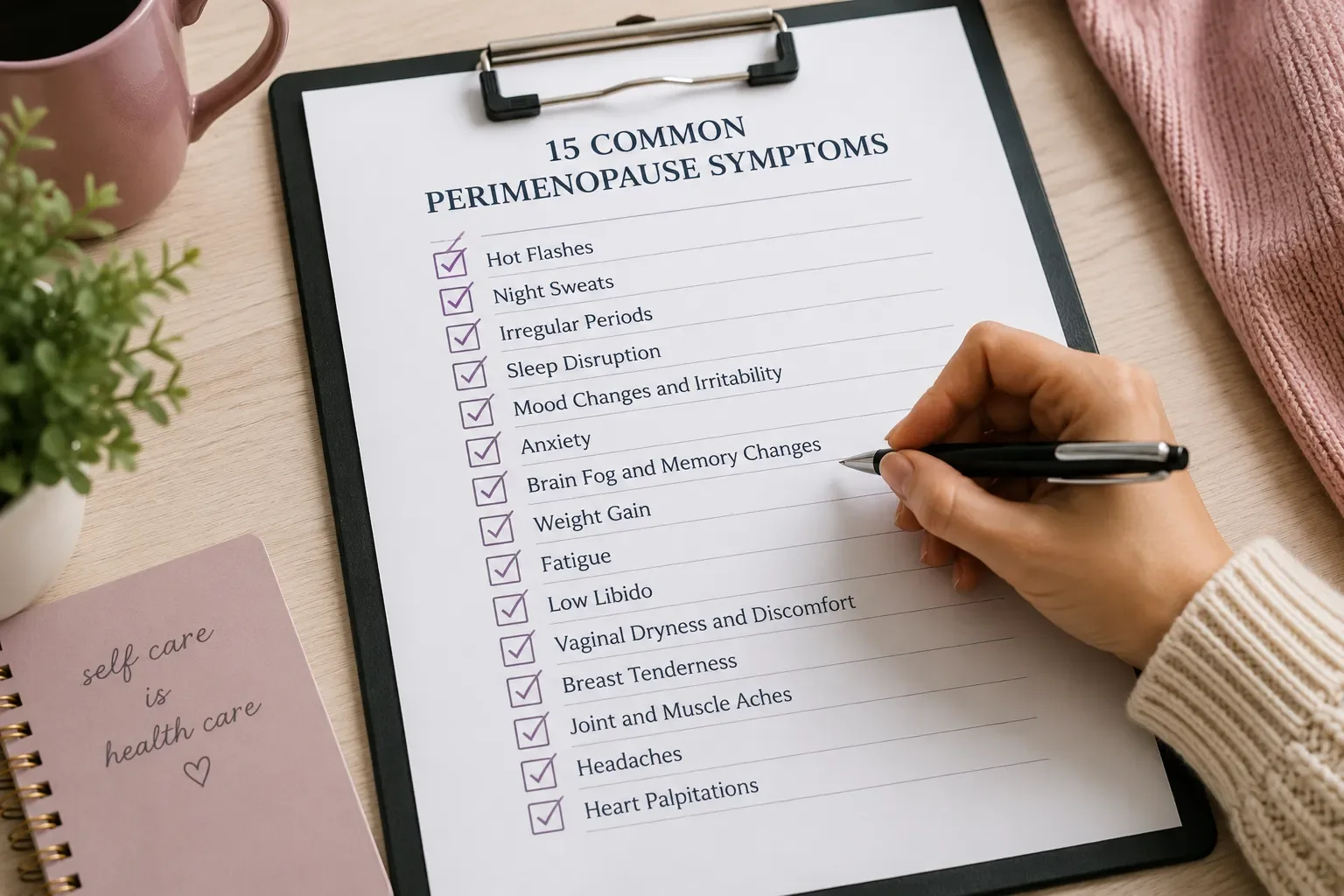
Which Hormones Are Most Likely Involved
Not all signs of hormonal imbalance in women point to the same hormone. Here is a quick reference:
Estrogen issues tend to produce: hot flashes, night sweats, vaginal dryness, mood changes, brain fog, bone density changes, and skin dryness.
Progesterone issues tend to produce: sleep disruption, anxiety, irritability, PMS worsening, irregular cycles, and bloating.
Testosterone issues tend to produce: low libido, fatigue, reduced motivation, and muscle loss.
Thyroid issues tend to produce: fatigue, cold sensitivity, hair thinning, weight gain, brain fog, and depression.
Cortisol issues tend to produce: abdominal weight gain, poor sleep, anxiety, blood sugar instability, and burnout-like exhaustion.
Insulin issues tend to produce: abdominal weight gain, energy crashes, sugar cravings, and increased hunger.
Many women experience overlapping symptoms because multiple hormones are involved at the same time. This is why a comprehensive hormone panel is more useful than testing a single hormone.
How to Get Properly Tested
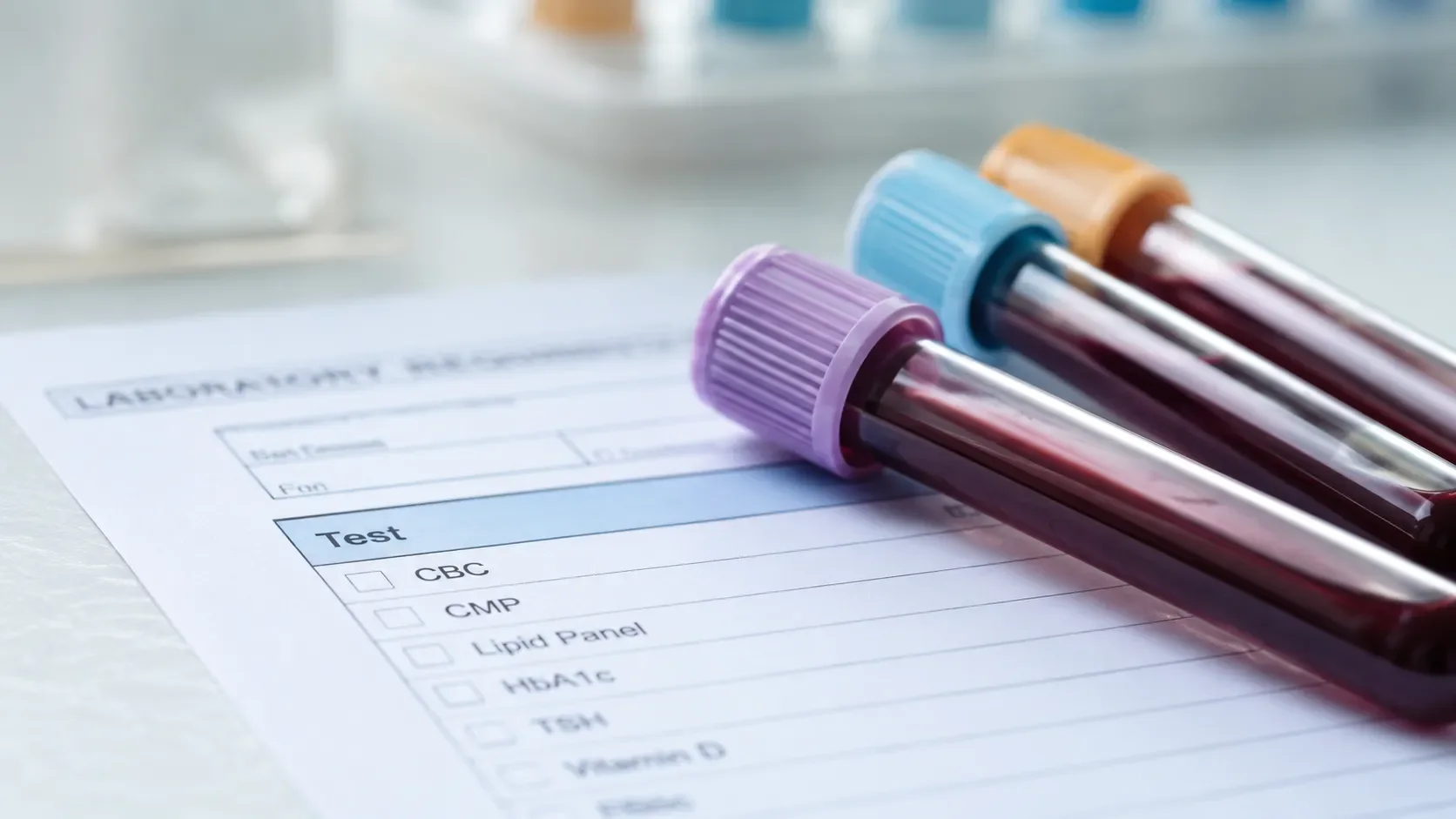
If you recognize several of these signs of hormonal imbalance in women, getting the right testing is the logical next step. Standard checkups often do not include a full hormone panel. You may need to ask specifically.
A comprehensive baseline panel for women over 40 should include:
Estradiol (the main form of estrogen), progesterone, FSH (follicle-stimulating hormone, which rises as the ovaries produce less estrogen), LH (luteinizing hormone), total and free testosterone, DHEA-S (an adrenal hormone), a full thyroid panel including TSH, free T3, free T4, and thyroid antibodies, fasting insulin and fasting glucose, vitamin D, and a full blood count to check for iron deficiency.
The American Thyroid Association recommends that women over 35 be screened for thyroid dysfunction every five years. Many practitioners now recommend more frequent testing given how common thyroid issues are in women over 40.
Timing of testing matters for some hormones. Estrogen and progesterone are best tested on day 21 of a regular cycle (the luteal phase), or on any day if cycles have become irregular. Cortisol is most accurately measured through a four-point salivary test throughout the day rather than a single blood draw.
What to Do If You Recognize These Signs
Recognizing the signs of hormonal imbalance in women is the starting point. From there, the path forward has a few clear steps.
Start with testing. You cannot address what you have not identified. Get a comprehensive hormone panel and review the results with a healthcare provider who specializes in women's hormonal health, not just a general practitioner who will compare your results to broad population norms.
Address the foundations. Diet, sleep, exercise, and stress management directly influence every hormone in the body. These are not soft suggestions. They are the environment in which hormonal interventions either work or fail. No supplement or medication will overcome a diet that drives blood sugar instability and a lifestyle that keeps cortisol elevated.
Consider targeted supplementation. Several supplements have solid research behind them for supporting women's hormonal balance. Read our full guide on the best supplements for women over 40 for a breakdown of what the evidence supports.
Have the conversation about estrogen balance. Estrogen dominance (where estrogen is high relative to progesterone) and estrogen deficiency produce different symptoms and require different approaches. Read our guide on how to balance estrogen naturally for practical steps.
Do not wait too long to see a doctor. Hormonal imbalance left unaddressed contributes to longer-term risks including bone density loss, cardiovascular changes, and metabolic dysfunction. The sooner you address it, the better your long-term outcomes.
Frequently Asked Questions
What are the most common signs of hormonal imbalance in women?
The most common signs include fatigue, unexplained weight gain especially around the abdomen, poor sleep, mood changes including anxiety and irritability, brain fog, irregular periods, hot flashes, low libido, hair thinning, bloating, skin changes, and cold sensitivity. Most women experience several of these at the same time rather than just one.At what age do women start experiencing hormonal imbalance?
Hormonal changes can begin as early as the mid to late 30s as progesterone starts to decline before estrogen. More significant symptoms typically appear in the early to mid 40s as perimenopause begins. However, hormonal imbalance caused by thyroid dysfunction, chronic stress, or conditions like PCOS can occur at any age.Can stress cause hormonal imbalance in women?
Yes, significantly. Chronic stress elevates cortisol, which suppresses progesterone production, worsens insulin resistance, disrupts thyroid function, and throws off the entire hormonal system. Managing stress is one of the most impactful things a woman can do for her hormonal health.How is hormonal imbalance in women diagnosed?
Through comprehensive blood testing that covers estrogen, progesterone, testosterone, thyroid hormones, cortisol, insulin, and vitamin D. A single hormone test is rarely sufficient. Timing of testing relative to your menstrual cycle matters for some hormones.Can diet affect hormonal balance in women?
Yes, directly. Blood sugar instability from a diet high in refined carbohydrates drives cortisol and insulin dysregulation. Fiber supports estrogen clearance. Cruciferous vegetables support healthy estrogen metabolism. Healthy fats provide the raw materials for hormone production. What you eat is one of the most powerful levers for hormonal balance.Is hormonal imbalance in women treatable naturally?
For many women, particularly those with mild to moderate symptoms, lifestyle changes, targeted supplementation, and stress management produce meaningful improvements. More severe symptoms, early menopause, or significant thyroid disease often require medical management as well. Natural and medical approaches are not mutually exclusive.Should I see a specialist or my regular doctor for hormonal symptoms?
Both can be a starting point, but a doctor who specializes in women's hormonal health or functional medicine will typically offer more comprehensive testing and a more individualized approach. General practitioners are valuable but may not always test the full range of hormones or interpret results with the nuance that hormonal symptoms require.Listen to What Your Body Is Telling You
The signs of hormonal imbalance in women are your body's way of communicating that something needs attention. They are not signs of weakness, aging gracefully, or something you simply have to accept.
The more of these signs you recognize, the more important it is to get properly tested and take action early. Hormonal imbalance that is addressed in the early stages is significantly easier to manage than one that has been building for years.
Use this article as your starting point. Follow the links throughout to go deeper on the specific hormones and symptoms most relevant to you. And work with a healthcare provider who will take your symptoms seriously and test comprehensively.
Your hormonal health is worth the investment.
Sources referenced include peer-reviewed studies indexed in PubMed and PubMed Central. Links to primary research are embedded throughout this article.


