Polysorbate 80 is the kind of ingredient most people never notice.
It sits halfway down an ingredient list, sounds technical enough to ignore, and has been used in food for decades. Regulators permit it, so most people assume the safety question was settled a long time ago.
That assumption is too simple.
The evidence does not prove that normal dietary exposure to polysorbate 80 causes Crohn's disease, obesity, diabetes, cancer or another chronic disease in humans.
But the ingredient is not biologically boring either.
Across animal studies, human-derived microbiome models, intestinal tissue experiments and newer human research, the same areas keep showing up: gut bacteria, mucus, intestinal barrier behavior, inflammatory signalling and the way P80 is metabolized inside the gut.
Some of the strongest results come from high-dose mouse studies. That is a real limitation.
Some of the newer human data are reassuring. That matters too.
What we are not going to do is choose one side of the evidence and pretend the other side does not exist.
Our position is practical. Polysorbate 80 gives us no meaningful nutritional benefit. It is there because manufacturers want foods to mix better, stay stable and have a particular texture.
When an unnecessary additive keeps producing biological questions and avoiding it is easy, we choose the alternative.
No panic. No chemistry-set hysteria. Just a low-cost precaution.
Animal and laboratory research suggests that polysorbate 80 can change the gut environment. A recent randomized human trial found changes in gut bacteria but no broad rise in the inflammation or metabolic markers that were measured. Long-term human outcome data are still limited.
What Is Polysorbate 80?
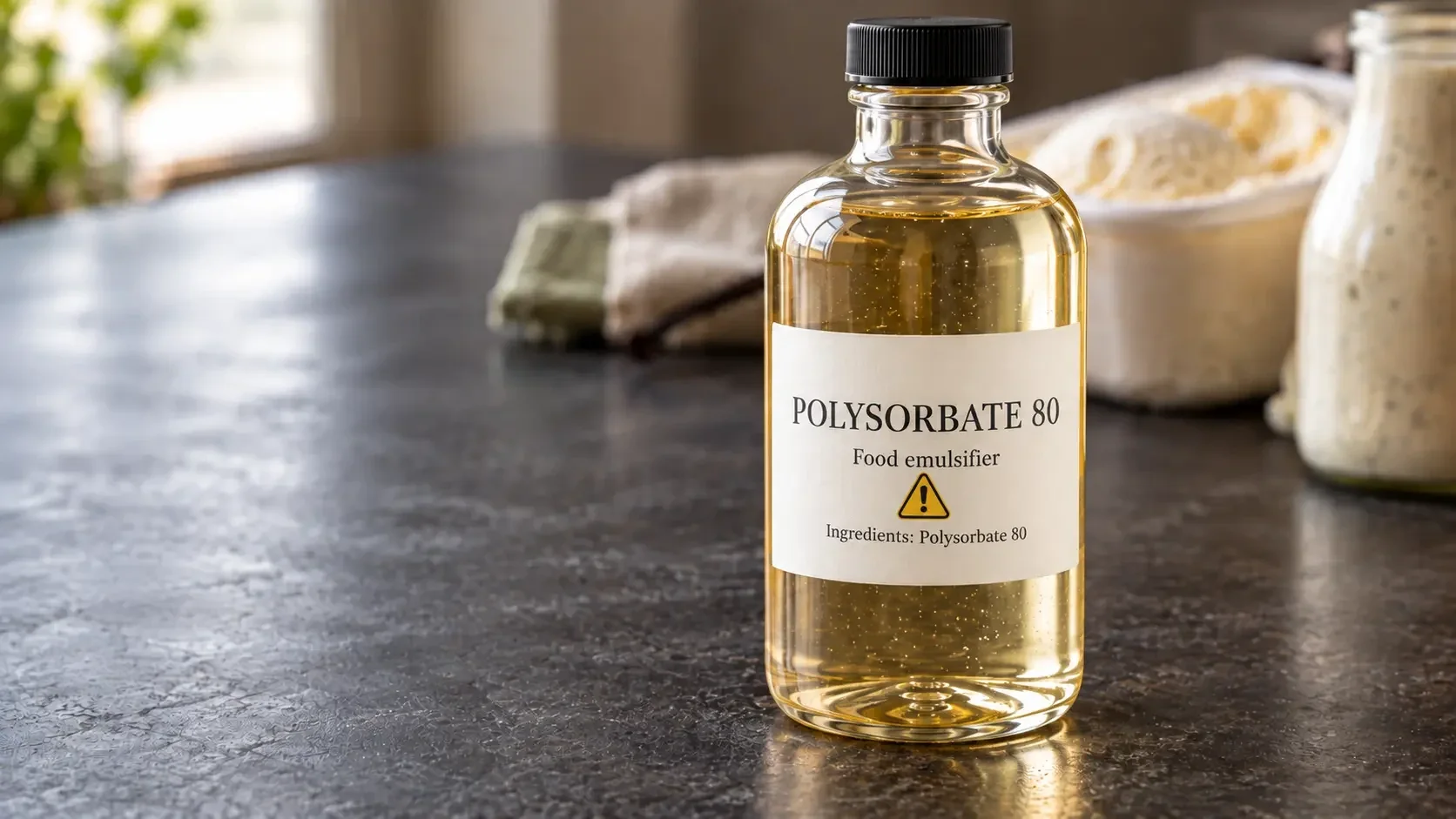
Polysorbate 80 is a synthetic nonionic surfactant and emulsifier. It is also known as Tween 80, E433, INS 433 and polyoxyethylene (20) sorbitan monooleate.
A surfactant changes how substances interact at their surfaces.
In food, that means it can help oil and water stay mixed, distribute fats or flavors more evenly, improve texture and keep a product stable during manufacturing and storage.
The FDA food-substance database lists uses that include emulsifying, stabilizing or thickening, flavor-related functions and surface-active effects.
Health Canada also permits polysorbate 80 in a range of foods under specified conditions.
None of that makes polysorbate 80 a nutrient.
Your body does not need it. The food formula does.
If you want the practical food list, see foods that may contain polysorbate 80.
Why the Old Safety Question Is No Longer the Only Safety Question
Traditional food-additive toxicology asks sensible questions.
Does a substance damage organs?
Does it damage DNA?
Does it cause cancer in animals?
Does it impair reproduction or development?
At what dose do obvious adverse effects appear?
We absolutely want those questions answered.
But the gut microbiome created a newer question.
Can an ingredient avoid obvious traditional toxicity while still altering the intestinal ecosystem in ways that matter over time?
That is not some fringe idea. The microbiome interacts with the immune system, produces metabolites, helps maintain the mucus layer and influences the intestinal barrier.
If an emulsifier changes those relationships, researchers have a legitimate reason to investigate it.
That is why polysorbate 80 became important.
Keep the evidence categories straight
This is where health articles often become a mess.
Established: Polysorbate 80 is legally permitted within specified uses and limits. It functions as an emulsifier and surfactant. Rare hypersensitivity reactions are documented, especially with pharmaceutical exposure.
Emerging human evidence: Short human trials and newer Crohn's research show measurable biological findings, but they do not establish chronic disease causation.
Mechanistic and ex-vivo evidence: Human-derived microbiota and intestinal tissue can respond to P80 under experimental conditions.
Animal evidence: High-dose mouse work repeatedly shows microbiome disruption, bacterial encroachment, inflammation and metabolic effects. Lower-dose animal findings are less dramatic.
Still unknown: Whether realistic dietary exposure over many years causes clinically important disease in humans.
Those categories are not interchangeable.
A mouse is not a person. A gut simulator is not a person. A four-week trial is not twenty years.
But none of them are useless either.
1. Polysorbate 80 Can Change the Gut Microbiome
The microbiome concern is the hardest part of the P80 story to brush aside.
A landmark 2015 Nature study found that mice consuming polysorbate 80 or carboxymethylcellulose developed altered gut microbiota, bacterial encroachment toward the intestinal lining, low-grade inflammation and metabolic changes.
Mice genetically prone to intestinal inflammation developed worse colitis.
That study was important.
It was also high dose.
Many of the classic experiments used polysorbate 80 at 1% in drinking water. Later researchers noted that this may represent exposure hundreds of times higher than what people would be expected to consume from an emulsifier-rich diet.
That is not a trivial criticism.
If somebody waves a high-dose mouse paper around as proof that your ice cream is destroying your gut, they are skipping a major part of the evidence.
But the story did not end with mice.
In 2017, researchers used a laboratory system containing complex human-derived intestinal microbiota. Polysorbate 80 directly altered the microbial community and increased its pro-inflammatory potential, including greater bioactive flagellin.
That matters because it removed one obvious objection.
The microbiome did not need a sick mouse around it to respond.
A 2021 study testing 20 common emulsifiers again found that P80 could produce lasting changes in human-derived microbial composition and function.
Other studies have reported effects on beneficial butyrate-producing organisms such as Faecalibacterium prausnitzii.
Does that prove P80 causes dysbiosis in every person who eats it?
No.
Does it make "it is just an inert additive" a weak description?
Yes.
The first controlled human evidence is more reassuring
A randomized, placebo-controlled human trial published online in 2025 and in 2026 included 60 healthy adults.
Participants followed an emulsifier-free diet, then received one of five additives, including polysorbate 80, or placebo for four weeks.
Researchers did not find significant increases in CRP, fecal calprotectin, lipopolysaccharide-binding protein or the metabolic markers they measured.
That is reassuring.
Microbial composition still changed during treatment, and short-chain fatty acids tended to move lower across several emulsifier groups, although the clearest statistically significant effect was with carboxymethylcellulose rather than P80.
So the honest takeaway is not "human harm confirmed."
It is also not "nothing happened."
This was a small exploratory trial with roughly ten people per group and four weeks of exposure.
Useful evidence, limited question.
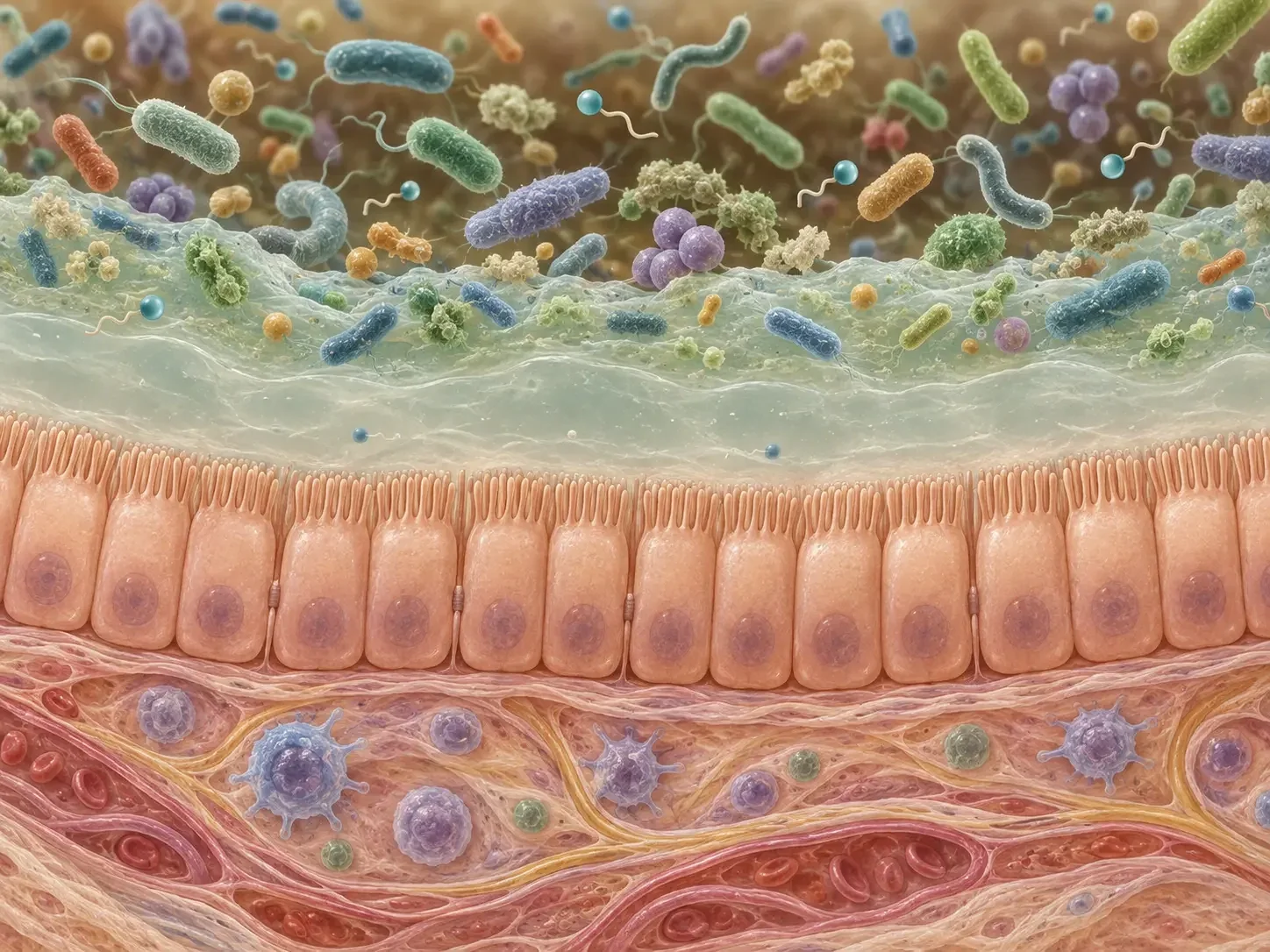
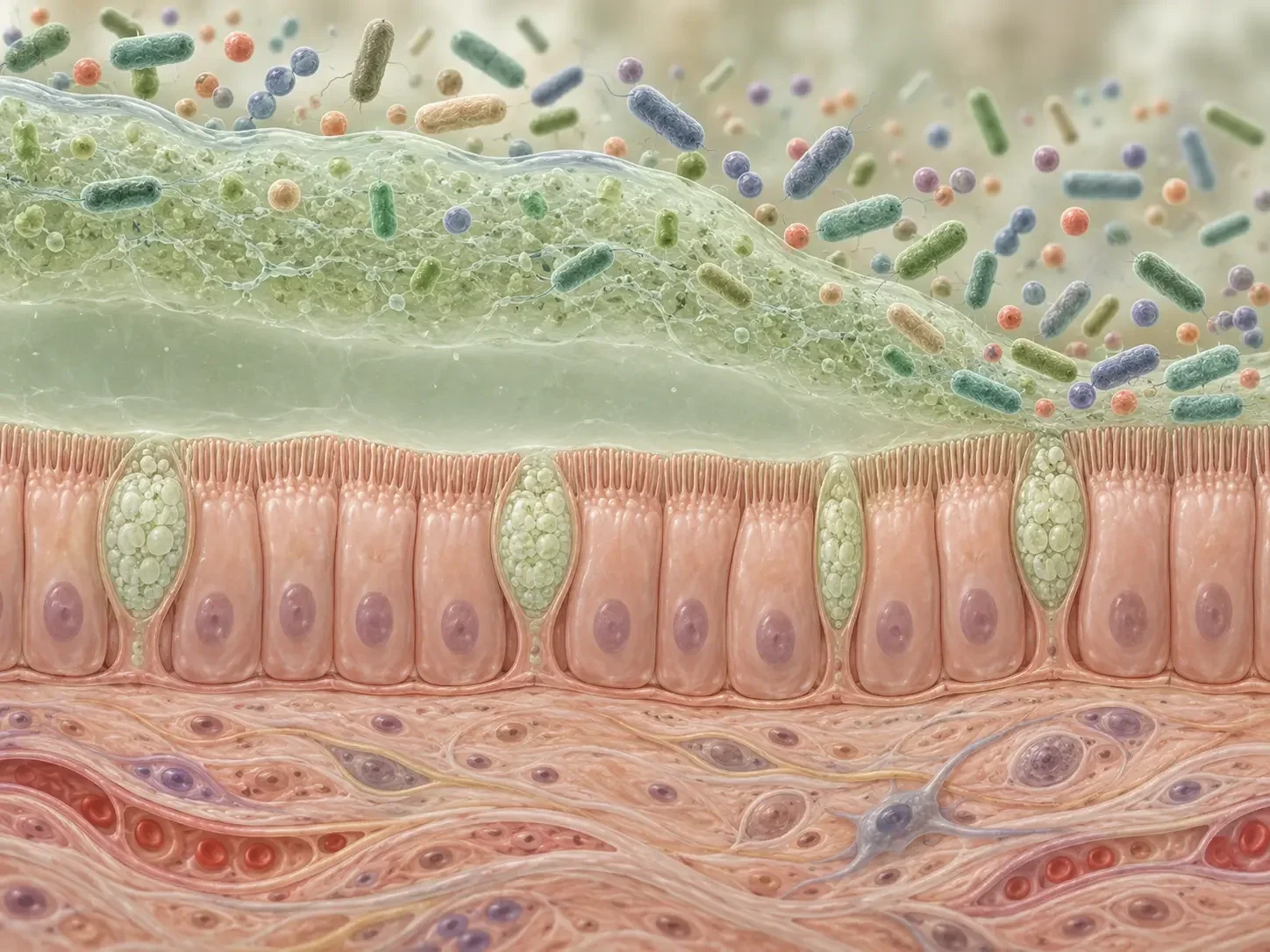
2. Polysorbate 80 May Disturb the Protective Mucus Environment
Your intestinal wall is not supposed to sit directly against trillions of gut microbes.
A mucus layer helps maintain physical separation.
That is a basic part of intestinal defense.
Researchers use the term microbiota encroachment when bacteria begin moving unusually close to the intestinal surface.
The 2015 mouse work found that P80 promoted this encroachment.
More recent research has looked specifically at mucus-associated bacteria instead of relying only on stool.
A 2025 study found pronounced changes in mucus-associated microbiota after P80 exposure.
When researchers transferred mucus-associated microbiota from emulsifier-treated mice into germ-free mice, the recipient animals developed bacterial encroachment, low-grade inflammation and metabolic abnormalities.
That is animal evidence.
It does not prove the same process is happening in someone eating a normal serving of food containing P80.
But it gives researchers a plausible biological pathway worth taking seriously.
The ingredient does not need to behave like a classic toxin if it changes the microbial community living against the gut wall.
3. Polysorbate 80 Can Affect Intestinal Barrier Behavior in Experimental Models
"Leaky gut" is one of those phrases that gets abused until people stop taking it seriously.
Abnormal intestinal permeability is still a real physiological phenomenon.
The intestinal barrier controls what crosses from the gut into deeper tissue.
Polysorbate 80 has affected that barrier in cell, animal and human-tissue experiments.
One study looked at E. coli associated with Crohn's disease.
At a P80 concentration of 0.01%, researchers observed sharply increased movement of the bacteria through cultured intestinal epithelial cells.
At 0.1%, they also observed greater bacterial translocation through human Peyer's patch tissue.
Peyer's patches are immune structures in the small intestine.
That is interesting because actual human intestinal tissue was involved.
But it was still an experimental system.
Eating a food means the additive first encounters the food matrix, digestion, bile, enzymes, mucus, intestinal transit and the microbiome.
That is why we do not turn a tissue experiment into a clinical diagnosis.
The short human trial discussed earlier also did not find a significant P80-related rise in the intestinal permeability measures it tested over four weeks.
So where does that leave us?
P80 can affect barrier behavior under experimental conditions. Clinically important intestinal hyperpermeability from normal dietary exposure has not been established.
Both parts belong in the sentence.
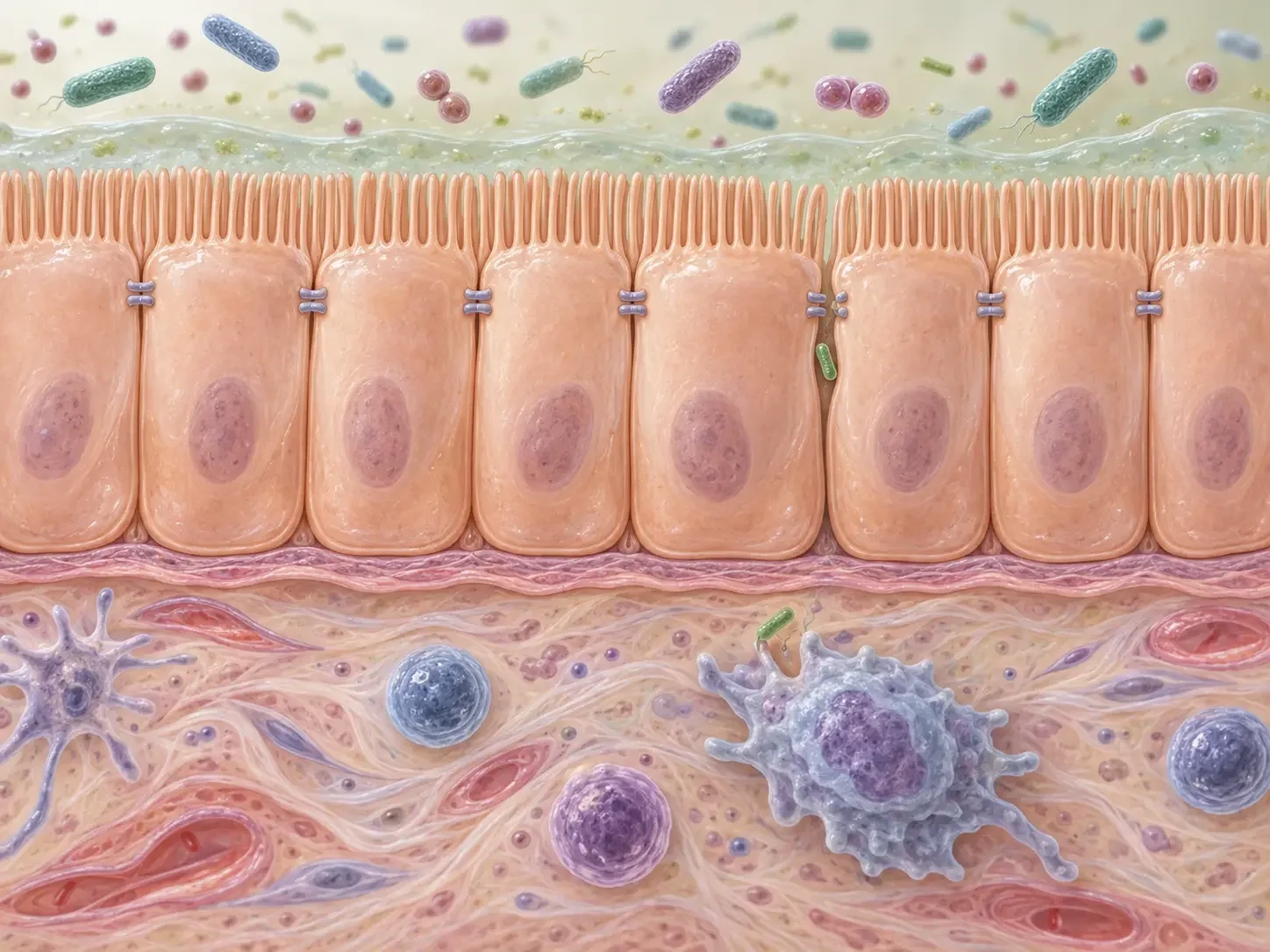
4. Polysorbate 80 Can Create Pro-Inflammatory Conditions
Inflammation is another place where people overplay their hand.
High-dose animal studies repeatedly find low-grade intestinal inflammation after P80 exposure.
Human-derived microbiome studies have also found shifts toward more pro-inflammatory microbial activity.
The basic mechanism is plausible:
- P80 alters microbial composition or behavior.
- Some bacteria move closer to the intestinal wall.
- Microbial metabolites and immune signals change.
- The intestinal immune system sees a different environment.
- Inflammatory tone may increase.
That chain has experimental support.
It does not mean one serving of food containing polysorbate 80 causes systemic inflammation.
The controlled human trial did not find increased CRP, fecal calprotectin or broad inflammatory proteins after four weeks.
That result deserves weight.
But it answers a short-term question in healthy adults.
It does not answer whether subtle changes accumulate over years or whether people with an already disturbed gut environment respond differently.
If the study did not test the long-term question, we should not pretend it did.
5. The Crohn's Disease Connection Is Becoming Harder to Ignore
Let's be precise here.
Polysorbate 80 has not been proven to cause Crohn's disease.
But researchers are not investigating the connection for no reason.
Crohn's involves immune regulation, microbial ecology, barrier function, mucus and environmental exposures.
P80 research repeatedly touches those same systems.
The human Peyer's patch study found increased movement of Crohn's-associated E. coli through intestinal tissue under P80 exposure.
Other ex-vivo research has reported suppression of beneficial bacteria and expansion of organisms associated with Crohn's recurrence.
For years, most of this was mechanistic or animal evidence.
Then came the 2026 ENIGMA study.
Researchers analyzed 1,461 biological samples from 487 people across Australia, Hong Kong and mainland China, including 245 people with Crohn's disease and 242 controls.
They found that intact P80 was essentially absent because it had been metabolized.
More interestingly, P80 metabolite patterns differed between people with Crohn's disease and controls.
Some metabolites correlated with disease activity.
Some also increased epithelial permeability in laboratory testing.
That moves the question closer to real human biology.
It still does not establish cause.
Crohn's itself changes the microbiome. A changed microbiome may process P80 differently. The altered metabolites could be a consequence of disease, a contributor to disease, or both.
That ambiguity is exactly why we call this emerging human evidence, not proof.

The Crohn's feeding trial does not settle the P80 question
A 2025 randomized feeding trial compared high- and low-emulsifier diets in adults with active Crohn's disease.
Both groups improved. Researchers did not find a statistically significant difference in disease activity between the diets.
That sounds reassuring until you ask what the participants actually ate.
The high-emulsifier diet contained almost no polysorbate 80.
So using that study to say "P80 was tested in Crohn's and found safe" would be wrong.
It tested a broader emulsifier-diet question.
It did not meaningfully test P80.
This is why reading the actual exposure matters more than reading the headline.
6. Metabolic Effects Look Strong in Some Animal Studies, but Human Causation Is Not Established
Some P80 animal studies report weight gain, increased food intake, impaired glucose regulation, hyperinsulinemia and greater adiposity.
That sounds dramatic.
Again, dose matters.
Much of the strongest metabolic phenotype comes from high-exposure mouse research.
A 2025 mouse study deliberately used a lower dietary dose, about 180 mg/kg/day, five days per week for eleven weeks.
Researchers did not reproduce the major inflammatory or metabolic abnormalities seen in the classic high-dose work.
That result is important because it challenges the idea that every exposure produces the same effect.
The lower-dose animals still showed microbiome-related changes.
So we get a more nuanced picture:
High doses can produce a dramatic phenotype in mice.
Lower doses produce less dramatic outcomes.
Human short-term evidence has not shown comparable metabolic harm.
Therefore, saying P80 "causes obesity" or "causes diabetes" in humans is not supportable.
The interesting part is not that the scary headline survives.
It is that some microbiome effects may persist even when the obvious metabolic damage does not.
7. Hypersensitivity Is Real, but Food and Injection Are Not the Same Exposure
Polysorbate 80 can cause hypersensitivity reactions in some people.
The clearest evidence comes from pharmaceutical products, especially injectable medications where P80 is used as an excipient.
Case reports and clinical reviews describe rare allergic and non-IgE-mediated anaphylactoid reactions.
That is real.
It is also frequently misused in food discussions.
Injecting P80 bypasses the digestive system.
Eating it does not.
Dose, route, metabolism and immune exposure can all differ.
So yes, polysorbate hypersensitivity exists.
No, that does not prove everyone eating P80 faces the same risk.
If someone has had a serious reaction to a medication or vaccine containing polysorbate, that belongs in a proper allergy evaluation, not an internet guessing game.
The Dose Problem Is Real
If you are skeptical of the P80 concern, this is probably your strongest argument.
The most alarming mouse findings often used high concentrations.
That matters.
At enough exposure, substances can produce effects that never appear at normal human intake.
We should not take a 1% drinking-water study and translate it into "your salad dressing is causing colitis."
That is sloppy.
But "the mouse dose was high" does not make the entire research program disappear.
Human-derived microbial systems respond to P80.
Human tissue studies show barrier-related effects under controlled conditions.
Lower-dose animal research can still show microbiome changes.
The short human trial showed microbial changes without obvious inflammation.
So the dose criticism should reduce our certainty.
It should not erase the signal.
Regulators Still Consider Polysorbate 80 Acceptable Within Limits
The regulatory position deserves to be represented fairly.
JECFA reevaluated polysorbates in 2026 and retained a group acceptable daily intake of 0 to 25 mg/kg body weight per day.
The word group matters. The limit applies across related polysorbates, not P80 alone.
JECFA relied on a no-observed-adverse-effect level of 2,500 mg/kg/day from long-term rat toxicity studies and applied a substantial safety factor.
Its highest modeled dietary exposure was 24.5 mg/kg/day in European children aged 1 to 17.
JECFA concluded that current permitted uses and maximum levels did not pose a safety concern.
Health Canada also continues to permit P80 in specified foods and completed a new premarket assessment before expanding one permitted use in 2025.
That is meaningful evidence.
But here is what it does not prove.
It does not prove that every possible microbiome effect has been investigated over decades in humans.
It does not prove every susceptible person responds the same way.
It does not prove that subtle host-microbe effects below traditional toxicity thresholds are irrelevant.
Traditional toxicology is good at answering traditional toxicology questions.
The microbiome is asking some newer ones.
"Approved, therefore every question is settled" is not science. It is an appeal to authority.
"The regulator approved it, therefore it must be dangerous" is equally silly.
We care about what the evidence actually shows.
So Is Polysorbate 80 Safe?
If the question is whether major regulators currently permit P80 in food within defined limits, yes.
If the question is whether normal dietary P80 has been proven to cause a chronic human disease, no.
If the question is whether we have strong long-term human evidence showing that repeated P80 exposure has no meaningful effect on the gut microbiome or intestinal environment, also no.
That is the part people tend to skip.
The human trial is reassuring on several short-term endpoints.
The ENIGMA data are interesting but cannot establish causation.
The animal evidence is biologically important but limited by dose and species.
The ex-vivo and tissue work shows plausible mechanisms but not clinical outcomes.
Put all of it together and we have a legitimate reason for caution, not permission to invent certainty.
Is Polysorbate 80 Safe?What We Would Actually Do
This is where we stop hiding behind "more research is needed."
When a comparable product without polysorbate 80 is available, we choose the alternative.
Not because we think P80 is poison.
Not because a mouse paper scared us.
Not because we think regulators are hiding something.
We choose the alternative because:
- P80 provides no meaningful nutritional benefit.
- Multiple evidence streams raise legitimate gut questions.
- Long-term human evidence is still inadequate.
- Avoiding it is usually easy.
- The downside of choosing the alternative is often close to zero.
That is a reasonable precaution.
If P80 were part of an important medication, the calculation would be different because the medication may provide a substantial benefit.
An emulsifier in ice cream or dressing is not the same decision.
If you want the shopping side of this, see how to find polysorbate 80 in foods and ingredient labels.
Do Not Lose the Bigger Nutrition Picture
There is one easy way to get this wrong.
You can become obsessed with eliminating one emulsifier while continuing to eat a diet dominated by ultra-processed food.
That misses the point.
A polysorbate-free snack cake is still a snack cake.
A P80-free dessert drink can still be loaded with sugar.
A food can avoid one additive and still be nutritionally poor.
We use P80 as one more reason to look at how heavily formulated a food is.
The larger goal is not to memorize every E-number.
It is to eat more food that does not require a laboratory worth of texture management in the first place.
Frequently Asked Questions
Is polysorbate 80 bad for you?
Current evidence does not prove that normal dietary exposure causes disease in humans. Experimental research does raise legitimate concerns involving the microbiome, mucus and intestinal barrier. Because P80 provides no nutritional benefit and alternatives are usually easy to find, we avoid it when practical.
Does polysorbate 80 damage the gut microbiome?
Animal and human-derived laboratory studies show that P80 can alter microbial composition, activity and metabolites. A short human trial also found microbial changes without broad inflammatory harm. Whether those changes become clinically important over years remains unresolved.
Does polysorbate 80 cause leaky gut?
P80 can alter intestinal barrier behavior and bacterial translocation in experimental systems, including human tissue models. A four-week human trial did not show a significant P80-related increase in measured permeability. So the mechanism is plausible, but clinically meaningful intestinal hyperpermeability from normal dietary exposure has not been established.
Does polysorbate 80 cause Crohn's disease?
No study has proven that P80 causes Crohn's disease. Newer human research has found different P80 metabolite patterns in people with Crohn's disease and associations with disease activity, but that does not tell us whether P80 contributes to disease, disease changes P80 metabolism, or both.
Does polysorbate 80 cause inflammation?
Experimental evidence supports pro-inflammatory mechanisms, especially in animal and human-derived microbiome models. Short-term human intervention research has not established chronic inflammation from typical dietary P80 exposure.
Does polysorbate 80 cause obesity or diabetes?
High-dose animal studies have reported weight gain and metabolic abnormalities. Lower-dose animal work is much less dramatic, and short-term human research has not shown comparable metabolic harm. Human causation has not been established.
Does polysorbate 80 cause cancer?
Current evidence does not establish P80 as a human carcinogen. Claims that normal dietary exposure causes cancer go beyond the evidence available today.
Should I avoid polysorbate 80?
That is what we do when avoiding it is easy. The decision is precautionary, not based on proof that P80 causes a specific chronic disease. It gives us no nutritional benefit, unresolved biological questions remain, and comparable alternatives are usually available.
Where the Evidence Leaves Us
Polysorbate 80 is a good example of why health decisions are rarely as clean as a regulatory yes or no.
The ingredient is permitted.
The short human trial did not show the dramatic inflammation seen in high-dose mice.
That is reassuring.
The microbiome, mucus, tissue and newer Crohn's findings keep producing enough biological activity to justify asking more questions.
That is concerning.
We do not need to turn concern into panic.
We also do not need to turn regulatory permission into blind reassurance.
Current evidence does not prove that normal dietary P80 causes chronic disease in humans.
It also does not provide strong long-term human evidence that makes us comfortable dismissing every unresolved gut concern.
For an ingredient that provides no nutritional benefit, that is enough for our decision.
When an equivalent product without polysorbate 80 is available, we choose the alternative.
Then we get on with the bigger job: eating better food overall.
This article is for informational purposes only and is not a substitute for professional medical advice, diagnosis, or treatment. Always consult a qualified healthcare provider before making changes to your diet, supplement routine, or health plan.
This article was last reviewed on September 9, 2026. We update our content regularly as new research becomes available.
Research behind this article
- FDA Substances Added to Food: Polysorbate 80
- Health Canada List of Permitted Emulsifying, Gelling, Stabilizing or Thickening Agents
- Health Canada 2025 Modification Extending the Use of Polysorbate 80
- WHO/JECFA Polysorbate 80 Evaluation, 2026
- Chassaing B, et al. Dietary Emulsifiers Impact the Mouse Gut Microbiota Promoting Colitis and Metabolic Syndrome
- Chassaing B, et al. Dietary Emulsifiers Directly Alter Human Microbiota Composition and Gene Expression Ex Vivo
- Naimi S, et al. Direct Impact of Commonly Used Dietary Emulsifiers on Human Gut Microbiota
- Roberts CL, et al. Polysorbate 80 and Translocation of Crohn's Disease-Associated E. coli Across Intestinal Tissue
- Mucus-Penetrating Microbiota Drive Chronic Low-Grade Intestinal Inflammation and Metabolic Dysregulation
- Substitution of Polysorbates by Plant-Based Emulsifiers: Impact on Gut Health in Mice
- Wellens J, et al. Effect of Five Dietary Emulsifiers on Inflammation, Permeability, and the Gut Microbiome: A Placebo-Controlled Randomized Trial
- Zhang J, et al. ENIGMA Study: Polysorbate 80 Metabolism and Crohn's Disease Activity
- Fitzpatrick JA, et al. Effects of Emulsifiers in the Food Supply on Disease Activity in Crohn's Disease
- Stone CA Jr, et al. Anaphylaxis to Excipients in Current Clinical Practice