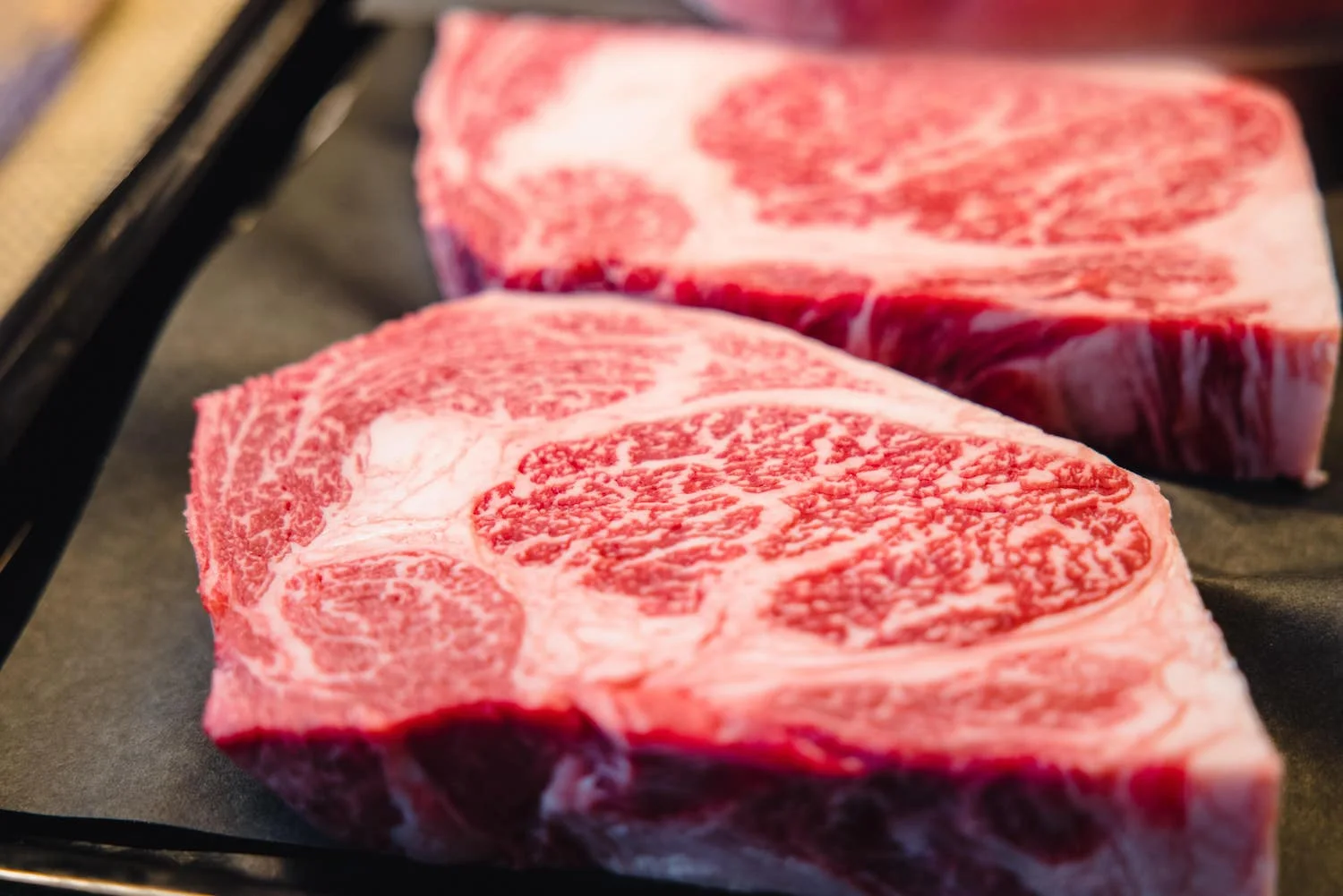
I am generally skeptical of foods designed in a factory to imitate something we already know how to eat. Plant-based burgers and sausages can contain protein isolates, refined oils, flavor systems, gums, starches, and added sodium.
That is a fair reason to ask questions. It is not enough to say these products are automatically unhealthy or that real meat always produces better health outcomes.
Human trials have now compared plant-based meat alternatives with animal meat. The results are more nuanced than either side of the debate often admits.
Plant-based meat alternatives are often ultra-processed, but randomized human trials do not support a blanket claim that they are metabolically worse than animal meat. Several short-term trials and a meta-analysis found modest improvements in LDL cholesterol or body weight when they replaced meat. Long-term evidence and product-to-product differences remain important gaps.
What “Fake Meat” Actually Means
Plant-based meat alternatives are designed to resemble meat in taste, texture, and cooking behavior. Common protein sources include soy, pea, wheat, and other plant proteins.
Products vary a lot. Some are relatively simple. Others contain long ingredient lists and enough sodium or saturated fat to make the nutrition label worth reading carefully.
Yes, Most Are Ultra-Processed
Many plant-based meat alternatives meet definitions of ultra-processed food.
Observational research often links high ultra-processed-food intake with worse health outcomes. But that does not prove every product in the category has the same effect.
A plant-based burger should be judged by its ingredients, nutrients, and what it replaces in the diet, not only by the word “processed.”
What Human Trials Have Found
In the SWAP-MEAT randomized crossover trial, participants ate plant-based meat or animal meat while keeping the rest of the diet similar. LDL cholesterol and body weight were lower during the plant-based phase, and no adverse cardiometabolic signal was found.
A 2024 meta-analysis of randomized trials found that replacing meat with plant-based meat alternatives modestly lowered LDL cholesterol, total cholesterol, and body weight on average. It did not find significant changes in blood pressure, fasting glucose, HDL, or triglycerides.
Another eight-week trial in adults at higher diabetes risk found a more mixed picture, which reminds us that formulations and populations matter.
Nutrient Density Still Matters
Beef and other animal foods provide highly bioavailable protein, vitamin B12, iron, zinc, and other nutrients. Some plant-based meats are fortified to match parts of that profile, but not every product does.
Plant alternatives may also contain more fiber and less saturated fat. Again, the label matters more than the marketing category.
What About Additives and Fillers?
I prefer shorter ingredient lists when I have the choice. Some emulsifiers and additives have legitimate research questions around gut effects.
But saying an additive is present is not the same as proving the finished product causes inflammation, leaky gut, or chronic disease in humans.
Why I Still Prefer Minimally Processed Food
My personal preference is still a diet built mostly around minimally processed foods. For someone who eats meat, that can include quality meat, eggs, fish, dairy, vegetables, fruit, and other whole foods.
For someone who avoids animal foods, beans, lentils, tofu, tempeh, and other less-processed plant proteins are also reasonable choices.
I would view plant-based meat as an occasional convenience food rather than the foundation of a diet.
The Bottom Line
Calling all plant-based meat “healthy” is too simple. Calling it poison is too simple too.
Short-term human trials have found neutral or modestly favorable cardiometabolic effects when plant-based meat replaces animal meat. Long-term evidence is still limited, and product quality varies widely.
If your goal is health, the safest rule remains boring but useful: make most of your diet real, minimally processed food, then judge packaged products by what is actually in them.
For related reading, explore carrageenan safety, beef and nutrition, and our Nutrition section.