
3 Natural Supplements for Erectile Dysfunction: Ginseng, Maca & Ashwagandha Compared
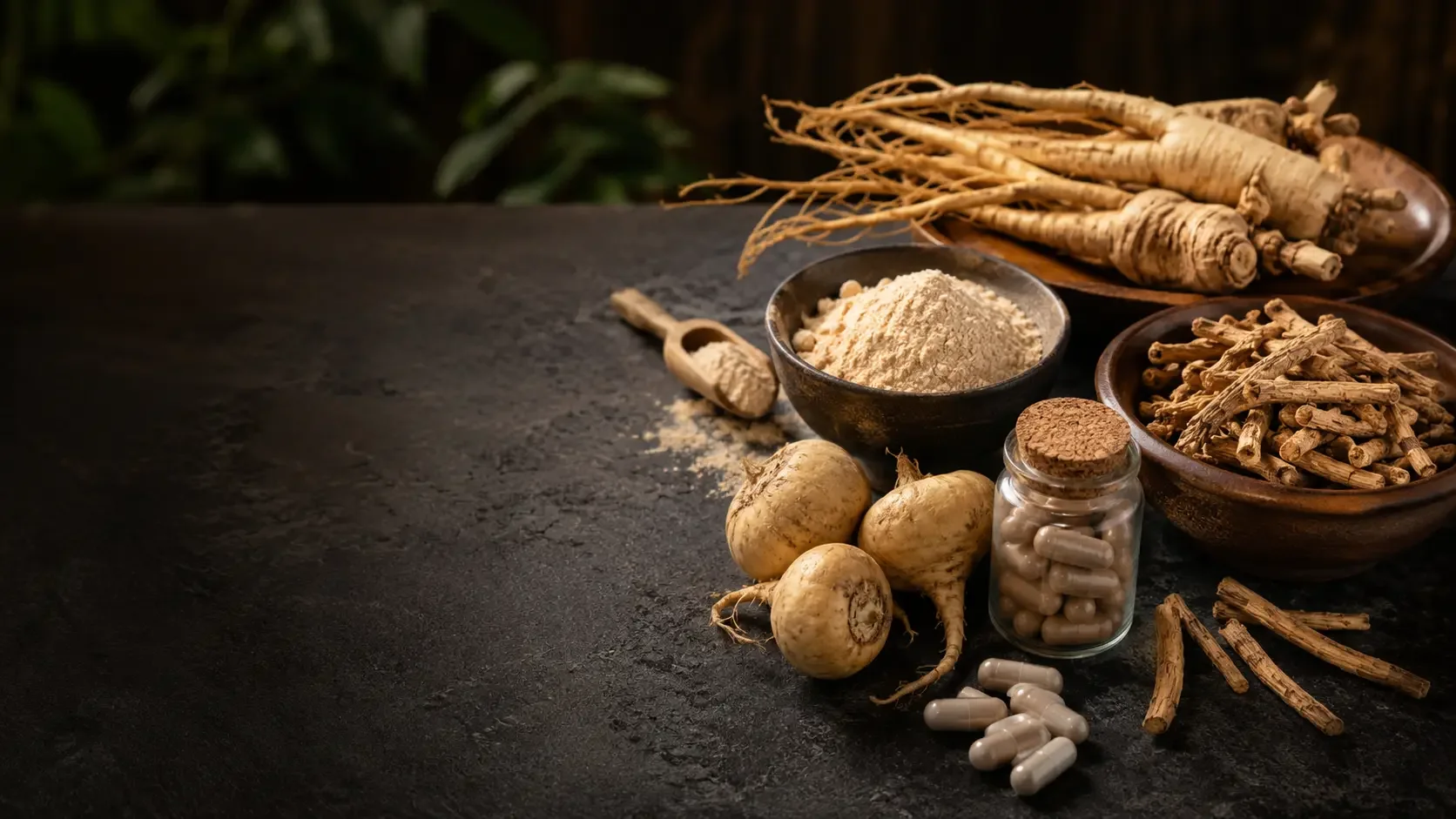
Natural supplements like ginseng, maca, and ashwagandha are often promoted for erectile dysfunction, but they do not all work the same way. This guide compares how each one may support blood flow, stress, hormones, energy, and sexual performance, so men can better understand which option may fit their needs.
This article is for informational purposes only and is not a substitute for professional medical advice, diagnosis or treatment.

If you have searched for natural supplements for erectile dysfunction, you have probably seen a lot of bold claims and not a lot of real information.
This article is different. We cover the three most-studied herbal options: Korean red ginseng, maca root, and ashwagandha. For each one, we look at what the research actually shows, how it works in the body, what it will not do, and whether taking all three together makes sense.
No miracle claims. Just what we know.
Why "Natural" Does Not Always Mean Proven
Erectile dysfunction affects around 30 million men in the United States. Prescription medications work well for many of them, but they are not the right fit for everyone. Some men have side effects. Others have health conditions that rule out certain drugs. And some simply prefer to start with something less aggressive.
The good news is that some natural supplements have a real body of research behind them. The honest news is that the quality of that research varies a lot, and even the strongest studies fall short of what scientists would call definitive proof.
What follows is a straight look at what we know, what we do not, and what is probably worth trying.
Korean Red Ginseng (Panax ginseng)
What it is best for
Korean red ginseng has the most direct clinical evidence of any herb for erectile function. It is not a replacement for medical treatment, but it is the most credible natural option in this space.
How it works
The active compounds in Korean red ginseng are called ginsenosides and ginseng saponins. These compounds increase the activity of an enzyme called nitric oxide synthase. That enzyme produces nitric oxide, which is a natural chemical in your body that relaxes the smooth muscle tissue inside the penis and allows blood to flow in.
That is the same basic process that pharmaceutical ED drugs work through. Ginseng does it through a different route, and with less intensity, but the underlying goal is the same: more blood flow.
Animal studies show that ginseng increases pressure inside the penis in a dose-dependent way (meaning more ginseng produced more effect). In human studies, a meta-analysis of seven randomized controlled trials found that six out of seven reported meaningful improvements in erectile function scores. The studies used different doses and methods, so the evidence is not airtight. But six out of seven trials pointing the same direction is worth paying attention to.
Other benefits for men
- Blood flow and heart health: Ginseng's most consistent benefit. Better nitric oxide production helps circulation throughout the body, not just in the penis.
- Cholesterol protection: Ginseng reduces a process called lipid peroxidation, which is essentially LDL cholesterol (bad cholesterol) being damaged by oxidation. This matters for long-term vascular health.
- Energy and brain function: Well-supported in the research.
- Blood sugar regulation: Particularly useful for men with metabolic syndrome, which is a cluster of conditions including high blood pressure, high blood sugar, and excess belly fat.
What it will not do
Raise testosterone reliably. Only one study showed a positive effect on testosterone levels, and that was specifically in men with metabolic syndrome. Six other studies showed no significant effect. If testosterone is your main concern, look at ashwagandha instead.
How to take it and what to watch for
- Dose: 200 to 400 mg of a standardized extract daily. Look for products standardized to at least 5% ginsenosides.
- Timeline: Take it consistently for 8 to 12 weeks before judging whether it is working.
- Drug interactions: Ginseng can interact with warfarin (a blood thinner), diabetes medications, and stimulants. Talk to your doctor if you take any of these.
- Side effects: Can cause insomnia in some people, especially if taken in the afternoon or evening.
- Cycling: Many practitioners suggest taking it for 6 weeks, then taking 2 weeks off. The evidence for this is mostly traditional rather than clinical, but it is a common and reasonable precaution.
Maca Root (Lepidium meyenii)
What it is best for
Maca's clearest benefit is for libido and sexual desire, not erection quality on its own. It works differently from ginseng and does not touch hormones at all.
How it works
Maca contains compounds called macamides, macaenes, and glucosinolates. These appear to influence sexual desire through the nervous system rather than through testosterone or other hormones. Research consistently shows no meaningful difference in testosterone levels between men who take maca and men who take a placebo.
This is actually useful information. If your testosterone levels are normal but your desire has dropped, maca may be the better fit because it works through a completely different pathway.
Evidence for ED
One study found that men with mild erectile dysfunction reported improvements in erections after 12 weeks of maca use, along with better psychological and social satisfaction. A separate randomized controlled trial using 2,400 mg per day found that maca users reported greater improvements in IIEF scores (a standard measure of erectile function) compared to placebo, 1.6 points versus 0.5 points. The researchers themselves said the sample sizes were too small to draw firm conclusions. But the results consistently point in the same direction.
Other benefits for men
- Energy and mood: One of maca's better-supported benefits. Many users report less fatigue and a more positive outlook.
- Sperm health: Limited research suggests maca may improve sperm concentration, though effects on overall count and motility are less clear.
- Nutrition: Maca is genuinely nutrient-dense. It contains amino acids, fatty acids, potassium, and fiber, which support general health even if the sexual health effects are modest.
What it will not do
Raise testosterone (this is well established). Significantly boost blood flow or nitric oxide the way ginseng does. Produce dramatic results in men whose ED is primarily physical rather than desire-related.
How to take it and what to watch for
- Dose: 1.5 to 3 grams of gelatinized maca powder daily. Gelatinized maca has been pre-cooked, which makes it easier to digest than raw maca powder.
- Safety: One of the safest supplements reviewed here. No significant drug interactions are known.
- Thyroid note: Maca contains glucosinolates, which in very high doses can affect thyroid function. If you have a thyroid condition, speak with your doctor before using it.
Ashwagandha (Withania somnifera)
What it is best for
Ashwagandha is the strongest of the three for testosterone support and for ED that is driven by stress, anxiety, or poor sleep. Its direct evidence for physical ED is weaker, but for men whose sexual health issues have a mental or hormonal component, it may be the most helpful option here.
How it works
Ashwagandha works through stress. Chronic stress activates a system in your body called the HPA axis (hypothalamic-pituitary-adrenal axis), which increases the production of cortisol. Cortisol is your main stress hormone. When it stays elevated for too long, it suppresses testosterone and keeps your body in a state of high alert, which makes it much harder for the relaxation response needed for an erection to happen.
Ashwagandha's active compounds, called withanolides, appear to calm down the HPA axis and lower cortisol. This allows testosterone levels to recover and lets the body shift out of stress mode.
In animal studies, ashwagandha increased markers of erectile function including nitric oxide levels and reduced an enzyme called PDE5 (the same enzyme that ED drugs like Viagra block). The human data specifically on ED is limited, but the mechanism makes sense.
Evidence for testosterone
This is where ashwagandha stands out. A review of four randomized controlled trials found that three out of four showed meaningful increases in testosterone. That is the most consistent result of any herb in this category.
The direct ED evidence is more mixed. Two older studies (2011 and 2014) found ashwagandha performed no better than placebo for psychogenic ED (ED caused by psychological factors). But a 2025 trial on healthy men using 600 mg per day for 8 weeks found improvements in erectile function scores, sexual satisfaction, and testosterone. The most likely explanation is that ashwagandha helps most when stress and low testosterone are part of the problem, and less so when the cause is purely physical.
Other benefits for men
- Stress and anxiety: Ashwagandha's single best-proven benefit. Reductions in stress and cortisol are among the most replicated findings in supplement research.
- Cholesterol and lipids: Studies show reductions in LDL (bad cholesterol) and triglycerides, and improvements in HDL (good cholesterol).
- Muscle strength and recovery: Well-supported in men who lift weights.
- Sperm health: Arguably the best herbal option for male fertility, with research showing improvements in both sperm count and motility.
- Sleep: Its calming properties may support deeper sleep, which in turn supports testosterone production overnight.
How to take it and what to watch for
- Dose: 300 to 600 mg of a standardized extract daily. KSM-66 and Sensoril are the two most studied forms and the ones most likely to match what was used in clinical trials.
- Liver risk: This needs to be said plainly. There have been documented cases of liver injury linked to ashwagandha use. Some of these cases involved supplements that tested clean for contaminants, meaning ashwagandha itself may have caused the injury in rare cases. The risk appears to be low, but it is real. If you develop yellowing of the skin or eyes, dark urine, or unusual fatigue while taking it, stop immediately and see a doctor.
- Drug interactions: Ashwagandha has calming, sedative-like properties. Use caution if you take benzodiazepines (like Xanax or Valium) or anticonvulsant medications.
How They Compare Side by Side
This comparison covers how each natural supplement for Erectile Dysfunction performs across the areas that matter most.
| Korean Ginseng | Maca | Ashwagandha | |
|---|---|---|---|
| ED (direct evidence) | Strongest | Modest | Weak / indirect |
| Libido and sex drive | Moderate | Strongest | Moderate |
| Nitric oxide and blood flow | Strong | Limited | Promising (mostly animal studies) |
| Testosterone support | Weak | None | Strongest |
| Cortisol and stress | Moderate | Moderate | Strongest |
| Cholesterol and lipids | Moderate | Weak | Better evidence |
| Sperm health and fertility | Moderate | Sperm concentration | Count and motility |
| Energy and mood | Strong | Strong | Strong |
| Safety profile | Watch for drug interactions | Cleanest | Small liver risk |
Can You Take All Three Together?
Yes, stacking natural supplements for erectile dysfunction is a reasonable approach.. The three supplements work through different pathways, and there are no known negative interactions between them.
Here is the logic:
- Ginseng targets the blood flow mechanism directly
- Ashwagandha targets the hormonal and stress environment that makes erections possible
- Maca targets libido and desire, the psychological side of sexual function that the other two do not address well
A common approach based on the available evidence:
- Korean ginseng: 200 to 400 mg of standardized extract in the morning
- Ashwagandha: 300 to 600 mg of KSM-66 or Sensoril, morning or evening
- Maca: 1.5 to 3 grams of gelatinized powder in the morning, which can be mixed into a smoothie
Give it 8 to 12 weeks of consistent daily use before deciding whether it is working. These supplements shift underlying biology gradually. They are not fast-acting like a medication.
For related reading, explore Bathmate and erectile dysfunction, testosterone replacement therapy, and our Men's Health section.
Frequently Asked Questions
What is the best natural supplement for erectile dysfunction?
Korean red ginseng has the most direct clinical evidence for erectile function. It has a clear mechanism (boosting nitric oxide and blood flow) and the most human trial data. If you are only going to take one natural supplement for erectile dysfunction, start here. Maca and ashwagandha add value for libido and hormonal support, but ginseng is the strongest starting point for ED specifically.Does ashwagandha help with ED?
It depends on what is causing the ED. Ashwagandha has shown limited benefit for purely physical ED in older studies. But a 2025 trial found improvements in erectile function scores in healthy men after 8 weeks of use. It is most likely to help when stress, anxiety, poor sleep, or low testosterone is part of the picture.Does maca root help with erectile dysfunction?
Maca's primary benefit is for sexual desire and libido rather than erection quality on its own. Small trials have shown improvements in standard erectile function scores, but sample sizes have been too small to draw firm conclusions. Think of it as a libido enhancer that pairs well with a more direct ED supplement like ginseng.Can Korean ginseng raise testosterone?
Not reliably. Of the studies reviewed, only one showed a meaningful effect on testosterone, and that was in men with metabolic syndrome. If raising testosterone is your main goal, ashwagandha has far more consistent evidence.How long do natural ED supplements take to work?
Most clinical trials run for 8 to 12 weeks. These supplements change underlying biology slowly, they are not fast-acting like a drug. Give any supplement at least 8 weeks of daily consistent use before deciding if it is helping.Is it safe to take ginseng, maca, and ashwagandha at the same time?
There are no known negative interactions between the three. However, ginseng can interact with blood thinners and diabetes medications, and ashwagandha carries a small risk of liver injury. If you take any prescription medications, check with your doctor first.When should I see a doctor instead of trying supplements?
If your ED is persistent, getting worse, or comes with other symptoms like low energy, no morning erections, or any cardiovascular symptoms, see a doctor. ED is often an early warning sign of heart disease or metabolic problems. Supplements can be a useful part of a broader strategy, but they are not a substitute for getting a proper diagnosis.The Bottom Line
The three most-studied natural supplements for erectile dysfunction each work differently and each have real strengths.
Korean red ginseng is your best bet for directly improving erectile function. Ashwagandha is your best bet for testosterone, cortisol, and stress-related sexual issues. Maca is your best bet for libido and desire.
Used consistently, at the right doses, and for the right reason, natural supplements for erectile dysfunction can make a real difference. Just be realistic about what they can and cannot do, and do not use them as a reason to avoid getting persistent ED checked out by a doctor.
Sources referenced include peer-reviewed studies indexed in PubMed and PubMed Central. Links to primary research are embedded throughout this article.