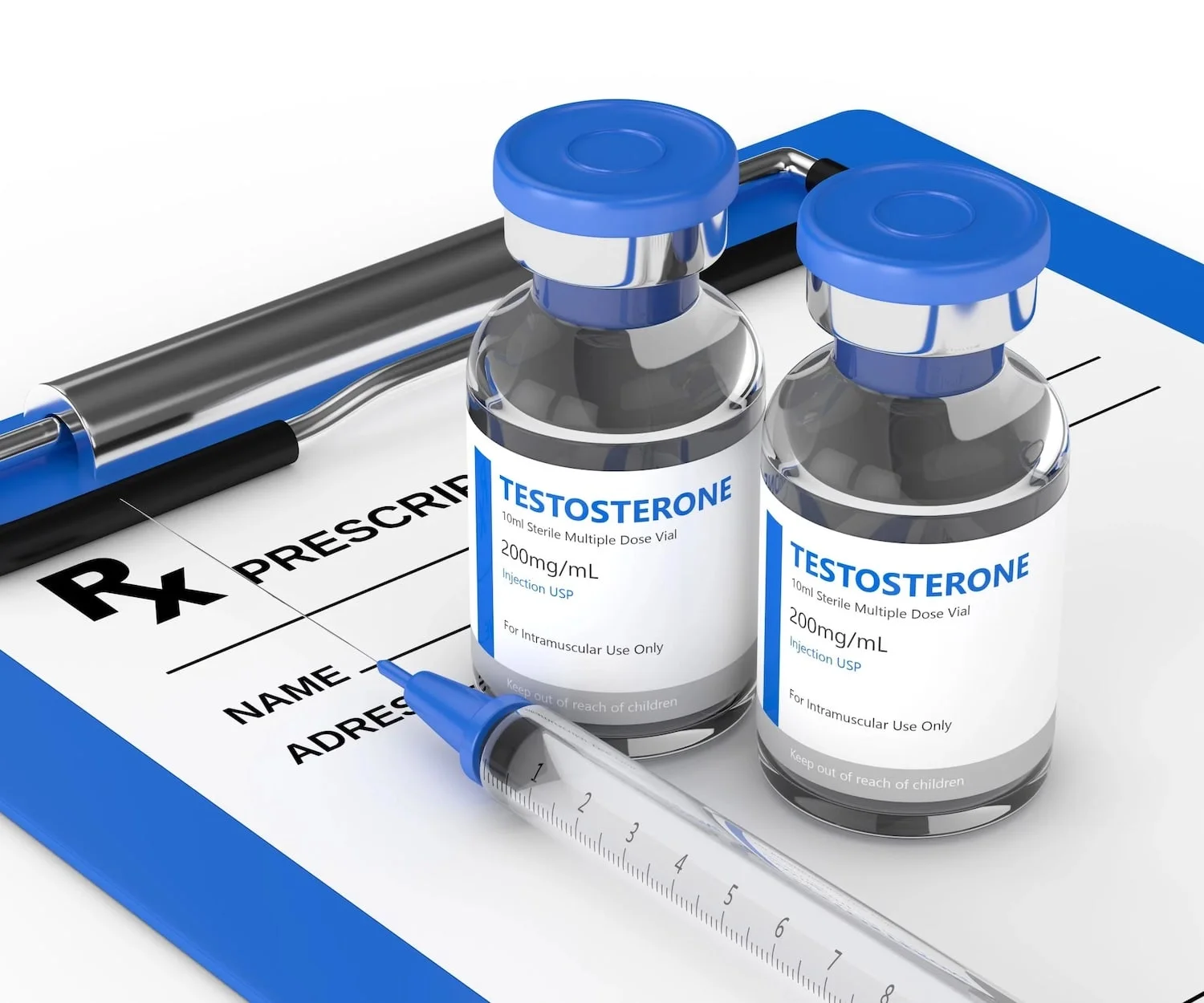
Testosterone replacement therapy, or TRT, can be very effective when a man has true hypogonadism. It can also be used badly when treatment starts from vague symptoms or a single lab result.
The first question is not “What dose should I take?” It is whether low testosterone is actually the problem and whether replacing it fits the person's goals and risks.
TRT is supported for men with symptomatic, confirmed hypogonadism. The TRAVERSE trial found no increase in major adverse cardiovascular events versus placebo in a high-risk hypogonadal population, while some adverse events were more frequent. Fertility suppression and hematocrit monitoring remain important.
Who TRT Is For
Clinical guidelines recommend TRT for men who have symptoms or signs of testosterone deficiency plus consistently low testosterone on proper testing.
That usually means repeat morning measurements. Depending on the situation, free testosterone, SHBG, LH, FSH, prolactin, and other tests may also be useful.
What TRT Can Improve
In men with hypogonadism, TRT can improve sexual desire, erectile function in some cases, lean mass, bone density, anemia, and aspects of mood or energy.
The response is not identical in every man. If fatigue is mainly caused by sleep apnea, depression, thyroid disease, or Long COVID, testosterone may not fix it.
TRT Can Suppress Fertility
External testosterone reduces the brain signals that tell the testes to make testosterone and sperm. That can sharply reduce sperm production and testicular volume.
Men who want children in the near future should discuss fertility-preserving options before starting TRT.
Risks and Side Effects
TRT can raise hematocrit, worsen acne, cause fluid retention, reduce sperm production, and change prostate-related symptoms in some men. Monitoring is part of treatment, not an optional extra.
The large TRAVERSE trial found no increase in major adverse cardiovascular events compared with placebo in men with hypogonadism who had cardiovascular disease or high cardiovascular risk. However, atrial fibrillation, acute kidney injury, and pulmonary embolism occurred more often in the testosterone group.
How TRT Is Given
Common forms include injections, gels, patches, pellets, and some oral preparations. Each has advantages and disadvantages related to convenience, cost, absorption, and hormone peaks and troughs.
The best form is the one that provides stable symptom control and appropriate blood levels with acceptable side effects.
What Should Be Monitored
Monitoring commonly includes testosterone levels, symptoms, hematocrit or hemoglobin, blood pressure, and prostate-related evaluation based on age and risk. Estradiol may be checked when symptoms or the treatment pattern make it relevant.
More medication is not automatically better. The goal is to use the lowest effective treatment that improves the problem without creating unnecessary side effects.
Can Low Testosterone Improve Without TRT?
Sometimes. Weight loss in men with obesity, better sleep, treatment of sleep apnea, adequate calories and dietary fat, resistance training, and reducing certain medication effects can improve testosterone in selected men.
Other causes, such as primary testicular failure, may not respond enough to lifestyle changes. That is why the diagnosis matters.
The Bottom Line
TRT is a medical treatment for confirmed testosterone deficiency, not a shortcut for every tired man over 40. For the right person, it can improve quality of life significantly.
Confirm the diagnosis, understand fertility effects, identify the cause, and monitor treatment properly.
What TRT Does Not Automatically Fix
TRT does not replace sleep, resistance training, weight management, or treatment of diabetes and cardiovascular risk. It also does not guarantee normal erections if the main problem is vascular disease or nerve damage.
If a man feels no better after testosterone reaches an appropriate range, the original symptoms may have another cause. That is a reason to reassess, not simply keep increasing the dose.
For related reading, explore low testosterone symptoms, male hypogonadism, and our Hormones section.
Also see our related guide to anogenital distance and male fertility.
Common Questions About TRT
Is TRT for life? It can become long-term treatment when the underlying cause of hypogonadism is permanent. Stopping TRT usually allows the treatment effect to fade, and natural production may take time to recover.
Does TRT cause prostate cancer? Current evidence does not show that properly prescribed TRT simply creates prostate cancer, but prostate symptoms and risk still need appropriate monitoring.
Does TRT make you infertile? It can sharply suppress sperm production. Men who want fertility should discuss alternatives before treatment.