
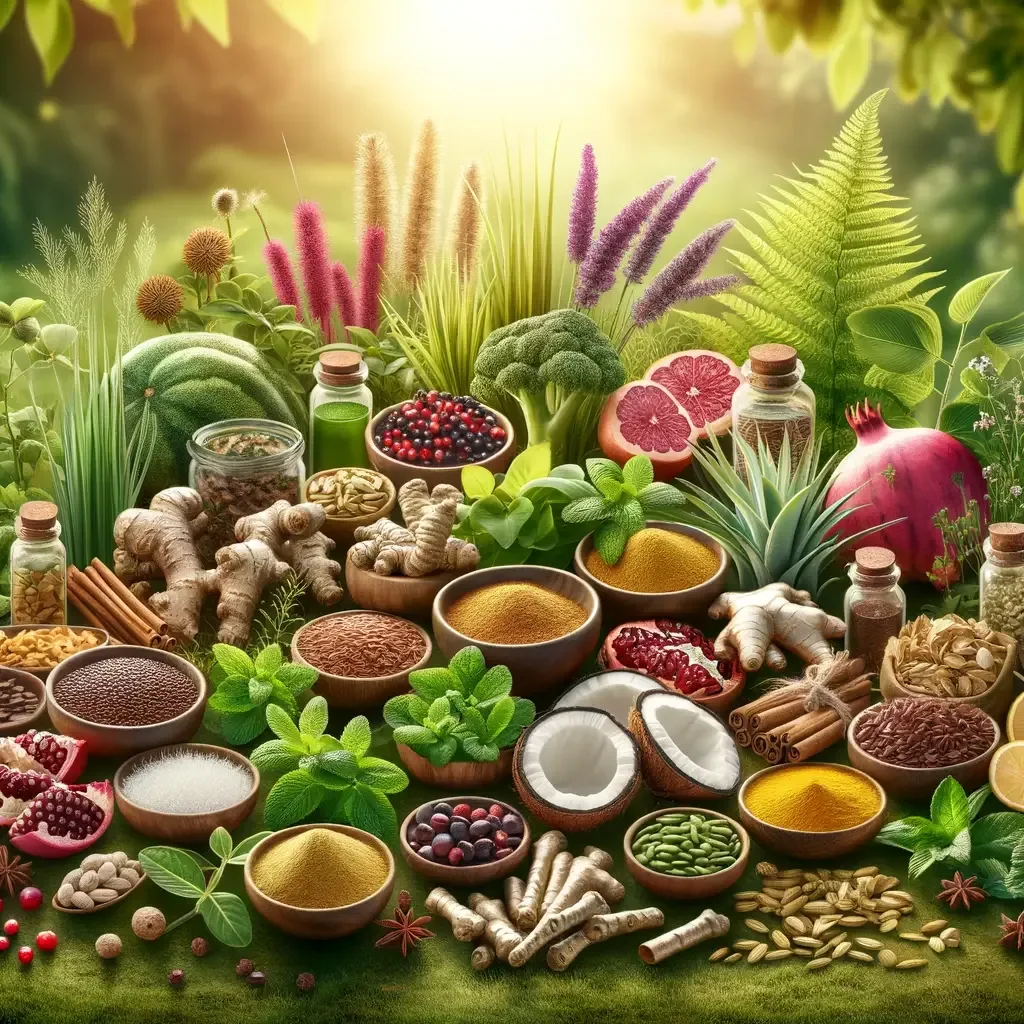
PCOS is not one simple hormone problem. It can affect blood sugar, androgen levels, ovulation, body weight, skin, hair growth, fertility, sleep, and mental health.
That is why a long list of “hormone-balancing herbs” can be misleading.
Some natural products have promising research. Others are backed mostly by small studies, animal research, or traditional use. They may be worth exploring, but they should not replace a proper diagnosis and a plan based on the woman's actual PCOS pattern.
PCOS guidelines support individualized care. Research on many herbs and supplements is still limited. Small trials suggest possible benefits from cinnamon and spearmint, while reviews find that evidence for many other supplements remains uncertain.
First, Know What PCOS Pattern You Are Treating
The 2023 international PCOS guideline looks at more than periods and fertility. It also covers blood sugar, heart risk, sleep, and mental health.
A woman with insulin resistance and irregular cycles may need a different plan from a woman whose main problem is high androgen activity and trouble ovulating.
That is why I prefer targeted choices over throwing ten herbs into one protocol.
Cinnamon: Interesting for Cycles and Metabolic Health
Small randomized trials suggest that cinnamon may help menstrual regularity and some blood-sugar or cholesterol markers in women with PCOS.
One six-month trial found more frequent menstrual cycles with 1.5 grams of cinnamon per day than with placebo.
The studies are small. Cinnamon is interesting, but it is not a proven stand-alone treatment for PCOS.
Spearmint Tea: A Small Signal for Lower Androgens
A small trial found that spearmint tea lowered free and total testosterone over one month in women with PCOS and excess facial or body hair.
The women felt that unwanted hair improved, but the measured hair scores did not change significantly during the short study.
That makes spearmint worth watching, but the evidence is still early.
Inositol: Popular, but Not as Certain as the Marketing
Inositol is not an herb, but it is one of the most common natural supplements used for PCOS.
A review prepared for the 2023 PCOS guideline found that inositol may improve some metabolic measures. Overall, the evidence was still limited and uncertain.
That does not mean it never helps. It means the marketing often sounds more certain than the research.
Berberine: Possible Metabolic and Fertility Effects
Berberine can affect blood sugar and metabolism, and it has been studied in women with PCOS.
Some reviews report improvements in metabolic markers or fertility-related outcomes. But the studies use different treatment combinations, so it is hard to know how much benefit comes from berberine itself.
Berberine can also interact with medications and should not be used during pregnancy without medical guidance.
What About Vitex, Licorice, Fenugreek, Black Cohosh, Aloe, Fennel, and Ginseng?
There are studies and traditional-use claims for many of these products, but the evidence is less consistent.
Some may affect hormones, blood sugar, or menstrual patterns. Others can interact with medications or may not suit every woman.
I would not use a large multi-herb stack simply because every ingredient has a theory behind it.
Do Not Miss the Bigger Drivers
If insulin resistance, sleep apnea, excess body fat, low activity, or poor diet quality are major problems, those issues may matter more than any herb.
Women trying to conceive should also be careful with supplements because timing matters and some products are not safe during pregnancy.
A More Practical Natural Approach
Start with the main symptom or metabolic problem you want to change. Choose one or two options with reasonable evidence, track the result, and then reassess.
You might track cycle frequency, blood sugar, insulin, waist size, androgen-related symptoms, or ovulation. If nothing changes, simply adding more products is not always the answer.
The Bottom Line
Natural approaches can be useful in PCOS, but natural does not mean proven or risk-free.
Cinnamon, spearmint, inositol, and berberine are among the more interesting options. Even these have limits. Supplements make the most sense when they are chosen for the woman's actual symptoms and metabolic pattern.
For related reading, explore supporting healthy estrogen balance, women's hormonal health after 40, and our Women's Health section.


