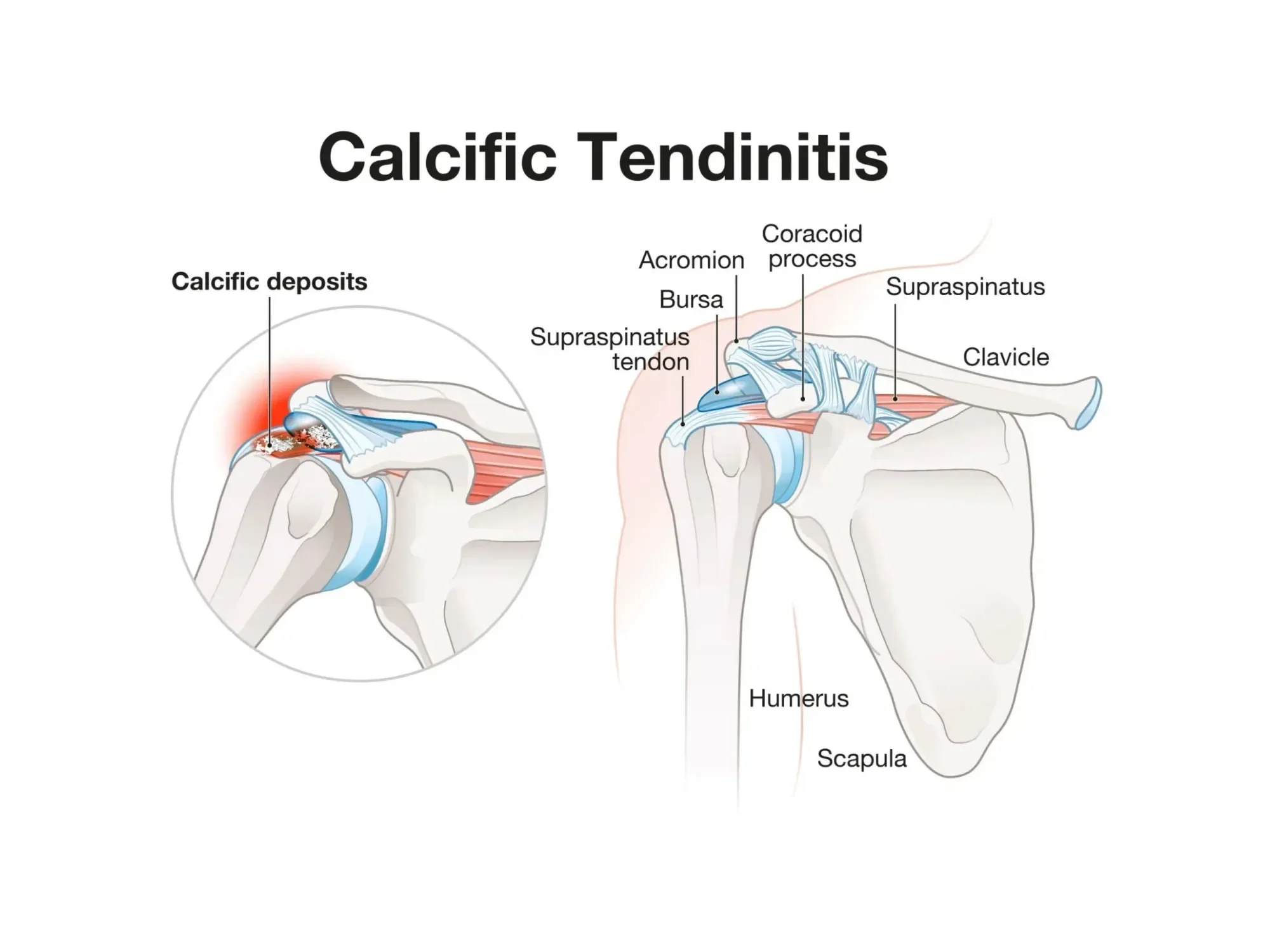
Hi, I’m Paul, a personal trainer and nutritional health coach in Thornhill with over a decade of experience helping people move better, feel stronger, and live healthier lives. One issue I see from time to time, especially in adults over 40, is calcium deposits in joints and tendons. These deposits can limit mobility, cause pain, and disrupt everyday activities—but with the right approach, you can tackle them head-on.
In this guide, I’ll explain what calcium deposits are, how they form, and what you can do to prevent and manage them effectively.
What Are Calcium Deposits?
Calcium deposits occur when excess calcium builds up in soft tissues, such as tendons or around joints. If you’ve been diagnosed with calcific tendinitis, this is likely what’s causing your pain or stiffness. These deposits most commonly affect the shoulder but can appear in other joints like the hips, knees, or elbows.
Calcium deposits can make everyday movements—like reaching overhead, bending, or rotating your arm—painful and frustrating. The good news? With the right lifestyle changes and medical support, you can manage or even prevent them.
How Do Calcium Deposits Form?
Calcium is crucial for strong bones, but when it ends up in soft tissues, it can create problems. Here’s how it happens:
- Overuse or Injury: Straining a tendon can cause tiny injuries, which may encourage calcium buildup during the healing process.
- Reduced Blood Flow: Tendons, especially in the shoulders, often have limited circulation, increasing the likelihood of calcium deposits.
- Nutritional Imbalances: Too much calcium, not enough magnesium, or a lack of other key nutrients can disrupt your body’s ability to regulate calcium.
Common Causes and Triggers of Calcium Deposits
Calcium is essential for strong bones, but too much of it—especially from supplements—can lead to unintended consequences. When your body receives more calcium than it can absorb into your bones, the excess may circulate in your bloodstream. Over time, this extra calcium can settle in soft tissues, including tendons and joints, potentially leading to calcium deposits or calcific tendonitis.
Unfortunately, many doctors recommend calcium supplements, especially to older adults or those at risk of osteoporosis, without fully considering the long-term effects of excessive calcium intake. While the intention is to protect bone health, this approach may inadvertently contribute to issues like calcium deposits in soft tissues.
Why This Happens:
- Absorption Limits: The body can only absorb a certain amount of calcium at a time. Taking high doses, especially alongside inadequate levels of magnesium or vitamin K2, can leave excess calcium floating in the bloodstream.
- Imbalanced Calcium Regulation: Without sufficient vitamin D and K2, calcium may not be efficiently directed to the bones, increasing the likelihood of it depositing elsewhere.
What You Can Do:
- Focus on Whole Foods: Instead of relying on supplements, get your calcium from natural sources like leafy greens, almonds, sesame seeds, and dairy in moderation. These foods are often accompanied by other nutrients that aid in calcium absorption and regulation.
- Question Supplement Recommendations: If your doctor recommends calcium supplements, ask about your actual calcium needs and whether your diet already meets those requirements.
- Balance Nutrient Intake: Ensure you’re getting enough magnesium, vitamin D, and vitamin K2 to help your body process and use calcium effectively.
By being mindful of how much calcium you consume and where it comes from, you can protect your bones without increasing the risk of calcific tendonitis or calcium deposits. Always consult with a healthcare provider, but don’t be afraid to ask questions about whether supplements are truly necessary for your situation.
Diets High in Sodium or Sugar
Excess sodium and sugar can disrupt calcium processing in your body. Sodium competes with calcium during kidney filtration, while sugar promotes inflammation that can encourage calcium deposits.
Tip: Limit processed foods and focus on fresh, whole ingredients.
Lack of Nutrients
Deficiencies in magnesium, vitamin K2, or vitamin D can impair your body’s ability to regulate calcium, increasing the risk of deposits.
Tip: Add magnesium-rich foods like nuts and seeds, and incorporate K2 and D through natural sources like eggs, fatty fish, and sunlight.
Foods and Diet Types That May Worsen Calcium Deposits
Processed Foods and Sodium Overload
Processed foods are high in sodium, which can upset calcium balance in the body. Examples include chips, canned soups, and deli meats.
Dairy Overload
While dairy is an excellent source of calcium, consuming too much may leave your body with more calcium than it needs, increasing the likelihood of deposits.
Diets Low in Fruits and Vegetables
Fruits and vegetables contain antioxidants, vitamins, and minerals that help balance your body’s pH and process calcium effectively. A lack of these foods can create an environment prone to calcification.
How a Balanced Diet Helps Prevent Calcium Deposits
The solution isn’t to cut out certain food groups but to adopt a well-rounded, nutrient-rich diet.
Protein: A Critical Component
Protein is essential for tissue repair and overall health and doesn’t cause calcium deposits when eaten in moderation.
Best Sources:
- Lean meats like chicken or turkey
- Fish, which also provides anti-inflammatory omega-3s
- Plant-based proteins like beans and lentils
Fruits and Vegetables: Your Alkalizing Allies
These foods help regulate calcium and reduce inflammation.
Best Choices:
- Leafy greens like spinach and kale for magnesium
- Citrus fruits for citrate, which may help dissolve deposits
- Brightly colored veggies like peppers and carrots for antioxidants
Healthy Fats for Joint Health
Healthy fats reduce inflammation and support tendon repair.
Best Sources:
- Avocados, nuts, and seeds
- Olive oil
- Fatty fish like salmon
Key Nutrients to Support Calcium Regulation
Certain nutrients can help prevent calcium deposits by ensuring your body processes calcium correctly.
- Magnesium: Keeps calcium where it belongs—in your bones. Found in nuts, seeds, spinach, and whole grains.
- Vitamin K2: Directs calcium away from soft tissues and into bones. Found in fermented foods, egg yolks, and grass-fed butter.
- Vitamin D: Improves calcium absorption and usage. Found in fatty fish, egg yolks, and sunlight.
- Potassium: Balances pH levels, reducing the likelihood of calcium buildup. Found in bananas, sweet potatoes, and spinach.
Natural Remedies to Try
Sometimes, natural remedies can complement dietary changes and medical treatments:
- Lemon Water: Citrate from lemons may help break down calcium deposits. Start your day with warm lemon water.
- Apple Cider Vinegar (ACV): Contains acetic acid, which may support calcium regulation. Mix 1-2 tablespoons in water daily.
- Stay Hydrated: Drinking plenty of water prevents minerals like calcium from concentrating in tissues.
Lifestyle Tips to Manage and Prevent Calcium Deposits
- Stay Active: Gentle stretching and low-impact exercises improve circulation and reduce stiffness.
- Avoid Repetitive Movements: Switch up activities to avoid straining the same tendons repeatedly.
- Rest and Recover: Recovery is just as important as exercise—don’t push through pain.
- Limit Supplements: Only take calcium supplements if recommended by a doctor.
When to Seek Medical Help
If pain or restricted mobility persists despite your efforts, consult a healthcare provider. They may recommend physical therapy, shockwave therapy, or, in severe cases, surgery to remove calcium deposits.
Conclusion: A Holistic Approach to Calcium Deposits
Calcium deposits in joints and tendons don’t have to be a permanent problem. By adopting a balanced diet, incorporating key nutrients, and making smart lifestyle choices, you can manage, prevent and even reverse them.
Remember, it’s about balance—not cutting out food groups but nourishing your body with what it needs. If you’re struggling with calcium deposits or want a personalized plan to improve your mobility, I’d love to help. Reach out, and let’s work on getting you moving freely again!
References
- American Academy of Orthopaedic Surgeons (AAOS). (2020). Calcific tendinitis of the shoulder. Retrieved from https://orthoinfo.aaos.org
- Boonstra, A. M., & Züger, T. (2021). Calcium metabolism in soft tissue calcifications: A systematic review. Journal of Orthopaedic Research, 39(6), 1234–1241.
- National Institutes of Health (NIH). (2022). Magnesium: Fact sheet for health professionals. Retrieved from https://ods.od.nih.gov
- Ruff, C. B., Holt, B. M., & Niskanen, M. C. (2018). Nutritional influences on bone health and calcium metabolism. Annual Review of Anthropology, 47(1), 329–349.
- Zhu, Y., Dong, J., & Liu, Z. (2019). Vitamin K2 and its role in bone and soft tissue health. Nutrients, 11(9), 2001. doi:10.3390/nu11092001
- Meyer, C. A., & Cushman, D. M. (2021). Anti-inflammatory dietary patterns and tendon health. Journal of Sports Science & Medicine, 20(3), 567–574.
- Mayo Clinic. (2023). Calcium supplements: Do you need to take them? Retrieved from https://www.mayoclinic.org
- Hegedus, E. J., & Lewis, J. S. (2020). Tendon vascularity and implications for soft tissue calcification. Physical Therapy Reviews, 25(2), 85–94.
For related reading, explore General Health.