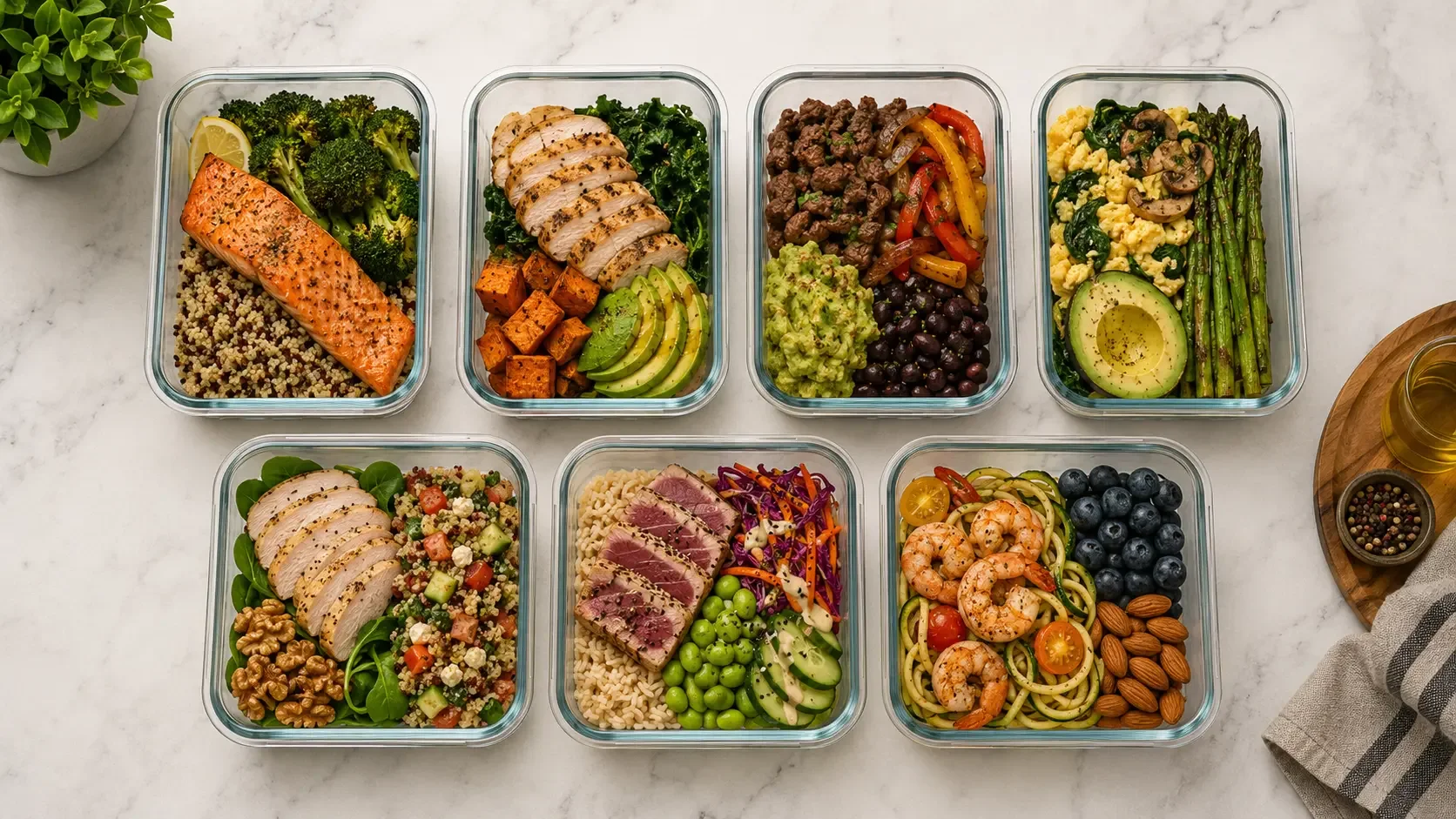
Most conversations about men’s diet and health focus on subtraction. Cut calories to lose weight. Cut carbs to improve insulin. Cut fat to protect the heart. That framework is incomplete, and for men over 40 dealing with hormonal decline, it can actively make things worse.

The best diet for men’s hormonal health is not primarily a subtraction story. It is about what you consistently put in: the specific nutrients, food types, and eating patterns that give your body the raw materials it needs to produce hormones, manage inflammation, metabolize estrogen, and maintain the metabolic conditions in which testosterone can thrive. The best diet for men’s hormonal health is one that works with your biology, not against it.
Food directly influences every major hormone in the male body. Testosterone production depends on dietary fat and cholesterol. Estrogen metabolism requires specific nutrients found in whole vegetables. Cortisol regulation is shaped by blood sugar patterns. These are not theoretical connections. They are active biochemical pathways shaped by every meal you eat.
This article covers the 10 most impactful rules for the best diet for men’s hormonal health after 40, what the research supports, and how to put it into practice in a way that is sustainable rather than extreme.
Medical Disclaimer: This article is for informational purposes only and is not a substitute for professional medical advice, diagnosis, or treatment. Always consult a qualified healthcare provider before making changes to your diet, supplement routine, or health plan.
Table of Contents
Why Diet Has Such a Powerful Effect on Men’s Hormonal Health
The best diet for men’s hormonal health starts with understanding why food matters so much in the first place. Testosterone is a steroid hormone, meaning it is synthesized from cholesterol. Without adequate dietary fat and cholesterol, the body literally lacks the precursor molecules needed to produce testosterone at optimal levels. This is one reason why extremely low-fat diets have been shown in multiple studies to suppress testosterone in men.
Beyond raw hormone synthesis, diet shapes the hormonal environment through several other mechanisms. Body composition is a primary one. Excess visceral fat (the deep abdominal fat surrounding the organs) is metabolically active tissue that elevates aromatase enzyme activity, which converts testosterone into estrogen. The best diet for men’s hormonal health promotes healthy body composition and directly supports a favorable testosterone-to-estrogen ratio.
Chronic inflammation is another major pathway. Inflammatory cytokines (signaling proteins released during chronic low-grade inflammation) directly suppress the hormonal signaling cascade that triggers testosterone production. An anti-inflammatory diet men can sustain long-term is one of the most powerful levers available. Finally, blood sugar management matters enormously. Insulin resistance (a condition where cells stop responding properly to insulin) is associated with reduced testosterone, elevated estrogen, and disrupted hormonal signaling across the board.
The Role of Nutrition in Testosterone and Hormonal Health, PubMed Central
The Best Foods for Men’s Hormonal Health: What to Eat
The best diet for men’s hormonal health is built on a foundation of specific whole foods that supply the nutrients most critical for hormone production, inflammation control, and estrogen metabolism. Here are the most important food categories to include consistently.
Eggs: The Most Complete Hormonal Food
Eggs are arguably the single most valuable food in any men’s hormonal health diet. They provide high-quality cholesterol for testosterone synthesis, complete protein for muscle maintenance, vitamin D for hormonal signaling, zinc for testosterone production, and choline (a nutrient essential for brain function and cell membrane integrity) all in one package.
The yolk is where most of the hormonal value sits. Decades of misguided advice about dietary cholesterol led many men to discard the most nutritious part of the egg. Current research does not support the idea that dietary cholesterol from whole eggs meaningfully raises cardiovascular risk in healthy individuals. Whole eggs, ideally from pasture-raised hens, are a cornerstone of the best diet for men’s hormonal health.
Fatty Fish: Omega-3s and Anti-Inflammatory Support
Salmon, sardines, mackerel, and herring are exceptional sources of omega-3 fatty acids, the long-chain fats with the strongest evidence for anti-inflammatory effects in the body. Chronic inflammation is one of the primary suppressors of testosterone production, making omega-3 intake directly relevant to hormonal health.
Omega-3s from fatty fish also support cardiovascular function, reduce triglycerides (blood fats associated with insulin resistance), and have been linked to improved mood and cognitive function. Aim for two to three servings of fatty fish per week as a foundation of the best diet for men’s hormonal health, with fish oil supplementation as a practical addition for men who do not regularly eat fish.
Zinc-Rich Foods: The Testosterone Mineral
Zinc is directly involved in testosterone synthesis and is one of the most well-documented dietary influences on testosterone levels in men. Zinc deficiency consistently correlates with reduced testosterone, and repletion through diet or supplementation restores levels in deficient men.
Oysters contain more zinc per serving than any other food, making them the single most potent dietary source. Grass-fed beef, pumpkin seeds, hemp seeds, and eggs are also excellent sources. Men who exercise regularly are at elevated risk of zinc depletion because zinc is lost through sweat, making consistent dietary zinc intake particularly important after 40.
Cruciferous Vegetables: Supporting Estrogen Metabolism
Broccoli, cauliflower, cabbage, Brussels sprouts, kale, and bok choy contain compounds called indole-3-carbinol and DIM (diindolylmethane) that support the liver’s ability to metabolize and clear estrogen efficiently. For men over 40, where the testosterone-to-estrogen ratio often shifts unfavorably, supporting healthy estrogen metabolism through diet is a meaningful hormonal intervention.
These vegetables also support liver function broadly, which is important because the liver is the primary site of hormone clearance and metabolism in the body. Aim for two to three servings per week consistently.
Avocado and Olive Oil: Fats That Build Hormones
Both avocado and extra virgin olive oil are rich sources of monounsaturated fats with the strongest research support for hormonal health and cardiovascular benefit. These fats are precursor materials for steroid hormone synthesis and support cell membrane integrity in testicular cells responsible for testosterone production.
Extra virgin olive oil has additional value through its oleocanthal content, a natural anti-inflammatory compound. Regular olive oil consumption is associated with higher testosterone levels in men in multiple observational studies. Extra virgin, cold-pressed olive oil consumed without high heat is the most bioactive form and a staple of the best diet for men’s hormonal health.
Berries and Pomegranate: Antioxidant Protection
Oxidative stress (cellular damage caused by unstable free radical molecules) impairs the function of Leydig cells, the specialized cells in the testes responsible for testosterone production. Dietary antioxidants protect these cells from oxidative damage.
Pomegranate has received specific research attention: a study published in Endocrine Abstracts found daily pomegranate juice consumption was associated with a significant increase in testosterone levels. Blueberries, strawberries, and blackberries are excellent antioxidant sources rich in polyphenols (plant compounds with anti-inflammatory and metabolic benefits) that support the broader hormonal environment and round out the best diet for men’s hormonal health.

Garlic and Onions: Underrated Testosterone Supporters
Garlic and onions are among the most affordable and underappreciated foods for men’s hormonal health. Both are rich in quercetin and allicin (bioactive compounds with anti-inflammatory and antioxidant properties), and both have been shown in animal studies to stimulate the release of LH (luteinizing hormone, the hormonal signal from the brain that tells the testes to produce testosterone).
While human trials are limited, the mechanistic evidence and the broader anti-inflammatory and cardiovascular benefits of garlic and onion consumption make them valuable additions to a men’s hormonal health diet. They are calorie-negligible, widely available, and easy to incorporate into cooking without significant dietary overhaul.
Leafy Greens: Magnesium and Testosterone Production
Spinach, Swiss chard, kale, and other dark leafy greens are among the richest dietary sources of magnesium, a mineral involved in over 300 enzymatic reactions including those regulating testosterone production and bioavailability.
Research published in Biological Trace Element Research found that magnesium supplementation was associated with increased total and free testosterone in both sedentary and physically active men. While supplementation was used in the study, dietary magnesium from leafy greens, nuts, and seeds provides a continuous supply that supports the same pathways. Many men over 40 are mildly deficient in magnesium, particularly those who drink alcohol regularly or exercise heavily.

Foods and Habits That Undermine Men’s Hormonal Health
Understanding the best diet for men’s hormonal health means knowing what to limit, not just what to add. Several common foods and habits actively suppress testosterone and create the inflammatory conditions that accelerate hormonal decline after 40.
Ultra-processed foods are the single most damaging category. These include packaged snacks, fast food, processed meats, and convenience foods typically high in refined carbohydrates, industrial seed oils (corn, soybean, sunflower), trans fats, and synthetic additives. They promote chronic inflammation, drive insulin resistance, and displace the whole-food nutrients needed for hormone synthesis.
Refined sugar and refined carbohydrates spike blood glucose and trigger insulin release. Chronically elevated insulin promotes fat storage and drives testosterone-to-estrogen conversion through increased aromatase activity.
Alcohol has a direct suppressive effect on testosterone production. It impairs Leydig cell function, increases aromatase activity, and disrupts the sleep architecture needed for overnight testosterone synthesis. Reducing alcohol to occasional moderate consumption is one of the highest-leverage dietary changes available for men’s hormonal health.
Large amounts of soy protein isolate consumed daily may contribute to estrogenic effects over time due to phytoestrogen content (plant compounds that weakly mimic estrogen). Whole soy foods in moderate amounts are unlikely to cause meaningful disruption for most men, but concentrated soy protein supplements used as a primary daily protein source are worth moderating.
The Best Dietary Pattern for Hormonal Balance in Men
Individual foods matter, but the overall dietary pattern shapes the hormonal environment more than any single choice. Research consistently points to the Mediterranean dietary pattern as one of the most beneficial for men’s hormonal health, cardiovascular function, and metabolic resilience.
The best diet for men’s hormonal health following Mediterranean principles emphasizes vegetables, fruits, legumes, whole grains, fish, olive oil, nuts, and seeds, with moderate consumption of poultry and dairy and limited red meat and alcohol. It is naturally rich in zinc, magnesium, omega-3 fatty acids, antioxidants, and dietary fat from hormone-supportive sources.
Mediterranean Diet and Testosterone, Harvard T.H. Chan School of Public Health
Protein intake deserves specific attention. Men over 40 benefit from higher protein consumption than standard guidelines recommend, both to counteract muscle loss and to support hormonal enzyme production. A practical target is 0.7 to 1.0 grams per pound of body weight per day, distributed across meals. Complete protein sources including eggs, fish, poultry, lean red meat, and Greek yogurt are the foundation.
10 Practical Rules for a Men’s Hormonal Health Diet
The best diet for men’s hormonal health comes down to ten consistent daily and weekly habits:
- Eat two to three whole eggs daily, including the yolk
- Include at least two servings of fatty fish per week
- Add a zinc-rich food to your diet daily, whether beef, oysters, pumpkin seeds, or eggs
- Eat cruciferous vegetables two to three times per week
- Use extra virgin olive oil as your primary cooking and dressing fat
- Include one serving of berries or pomegranate daily for antioxidant coverage
- Add a large handful of leafy greens to at least one meal per day for magnesium
- Reduce alcohol to two or fewer drinks per day, with two to three alcohol-free days per week
- Eliminate or dramatically reduce ultra-processed foods, refined sugar, and industrial seed oils
- Hit your daily protein target distributed across at least three meals
None of these rules require extreme restriction or expensive specialty products. Together they represent the best diet for men’s hormonal health that is realistic, sustainable, and evidence-based.
For more on how testosterone responds to lifestyle changes, read How to Naturally Boost Testosterone After 40.
If you are not sure whether your hormone levels may already be affected, reviewing the common signs is a useful starting point at Low Testosterone Symptoms: How to Know If Your T Is Low.

Frequently Asked Questions
Does eating fat really raise testosterone?
Yes, within the context of an overall healthy diet. Dietary fat, particularly monounsaturated and saturated fat from whole food sources, provides the cholesterol precursors needed for testosterone synthesis. Studies consistently show that very low-fat diets suppress testosterone in men. This does not mean eating unlimited saturated fat is beneficial, but it does mean that adequate fat intake from quality sources like eggs, olive oil, fatty fish, avocado, and nuts is essential for hormonal health.
How quickly can dietary changes affect testosterone levels?
Measurable hormonal changes from dietary improvements can occur within four to eight weeks of consistent change. Studies on specific dietary interventions, such as reducing alcohol, improving zinc intake, or shifting from a processed food diet to a whole food pattern, show testosterone changes within six to twelve weeks. The impact compounds over time, particularly as body composition improves alongside dietary changes.
Is a low-carb or ketogenic diet good for men’s hormonal health?
Low-carbohydrate and ketogenic diets can support testosterone in some men, particularly those who are insulin resistant or carrying excess visceral fat, because they reduce insulin levels, promote fat loss, and reduce inflammation. However, very low-carbohydrate diets can also increase cortisol in some individuals, which suppresses testosterone. A moderate-carbohydrate whole-food diet that keeps blood sugar stable is sufficient for most men and more sustainable long-term than strict ketogenic approaches.
Should men over 40 take a protein supplement?
Whole food protein sources are preferable, but a quality protein supplement can help men who struggle to hit their daily protein targets through food alone. Whey protein, casein, and egg white protein are the most bioavailable options. Avoid soy protein isolate as a primary protein source given its phytoestrogenic content. Choose products with minimal additives and no artificial sweeteners, which can disrupt gut bacteria and indirectly affect hormonal metabolism.
Are there foods that specifically lower estrogen in men?
Cruciferous vegetables containing indole-3-carbinol and DIM support the liver’s clearance of estrogen. Ground flaxseed in small amounts supports estrogen detoxification through gut binding. Reducing body fat through dietary changes reduces aromatase activity, which is the primary driver of testosterone-to-estrogen conversion in men. These approaches work through the liver and body composition rather than directly blocking estrogen, which makes them safe and sustainable for long-term use.
Does alcohol really affect testosterone that significantly?
Yes. Even moderate alcohol consumption has a measurable effect. Alcohol directly impairs Leydig cell function and increases aromatase activity. It also disrupts the quality of sleep during which most testosterone is produced. The effect is dose-dependent, with higher consumption producing greater suppression. Reducing alcohol is consistently one of the fastest dietary changes to produce measurable hormonal improvement and is a core principle of the best diet for men’s hormonal health.
How important is meal timing for men’s hormonal health?
Meal timing matters less than total food quality and quantity for most men. That said, two patterns are worth noting. Eating a protein-rich meal within two hours of resistance training supports testosterone and growth hormone response to exercise. Also, avoiding large meals close to bedtime supports sleep quality, which directly influences overnight testosterone production. Beyond these two considerations, focus on what you eat before worrying about when you eat.
The Bottom Line on the Best Diet for Men’s Hormonal Health
The best diet for men’s hormonal health is not a specialized medical protocol or a short-term intervention. It is a consistent, practical eating pattern built on whole foods that directly supply the nutrients required for hormone synthesis, inflammation control, estrogen metabolism, and blood sugar stability.
The ten rules in this article each map to a specific mechanism by which food influences the hormonal environment of a man over 40. Applied consistently over weeks and months, the best diet for men’s hormonal health produces measurable changes in testosterone, body composition, energy, and metabolic health that compound in your favor.
You do not need to overhaul everything overnight. Pick the two or three rules that represent the biggest departure from your current habits and start there. Consistency over months matters far more than perfection in any given week. The hormonal response to eating with intention is real, meaningful, and available to every man willing to make it a priority.
For the full overview of men’s health at midlife, visit Men’s Health Over 40.
Sources referenced include peer-reviewed studies indexed in PubMed and PubMed Central. Links to primary research are embedded throughout this article.