Berberine is a plant compound with real human research behind it. It has been studied most often for blood sugar, insulin resistance, cholesterol, and other metabolic markers.
It is also marketed aggressively for weight loss. That is where the hype starts to run ahead of the evidence.
Berberine has human evidence for glucose, insulin-resistance, and lipid outcomes, but results vary and many studies have limitations. Weight-loss evidence is not conclusive, and medication interactions plus pregnancy/infant safety concerns are important.
What Is Berberine?
Berberine is found in plants such as barberry, goldenseal, and Oregon grape. It has a long history in traditional medicine and is now sold as a concentrated supplement.
Research suggests it can affect several metabolic pathways, including glucose handling and lipid metabolism.
What the Human Evidence Shows
Meta-analyses suggest berberine can improve fasting glucose, insulin resistance, triglycerides, and cholesterol in some people with metabolic problems.
The studies vary in quality, dose, formulation, and population. Many were conducted in people who already had diabetes, fatty liver, or other metabolic conditions.
Is Berberine a Weight-Loss Supplement?
Some trials report modest reductions in weight or BMI, especially with longer use and higher total daily doses. NCCIH describes the overall evidence as inconclusive because study quality and results vary.
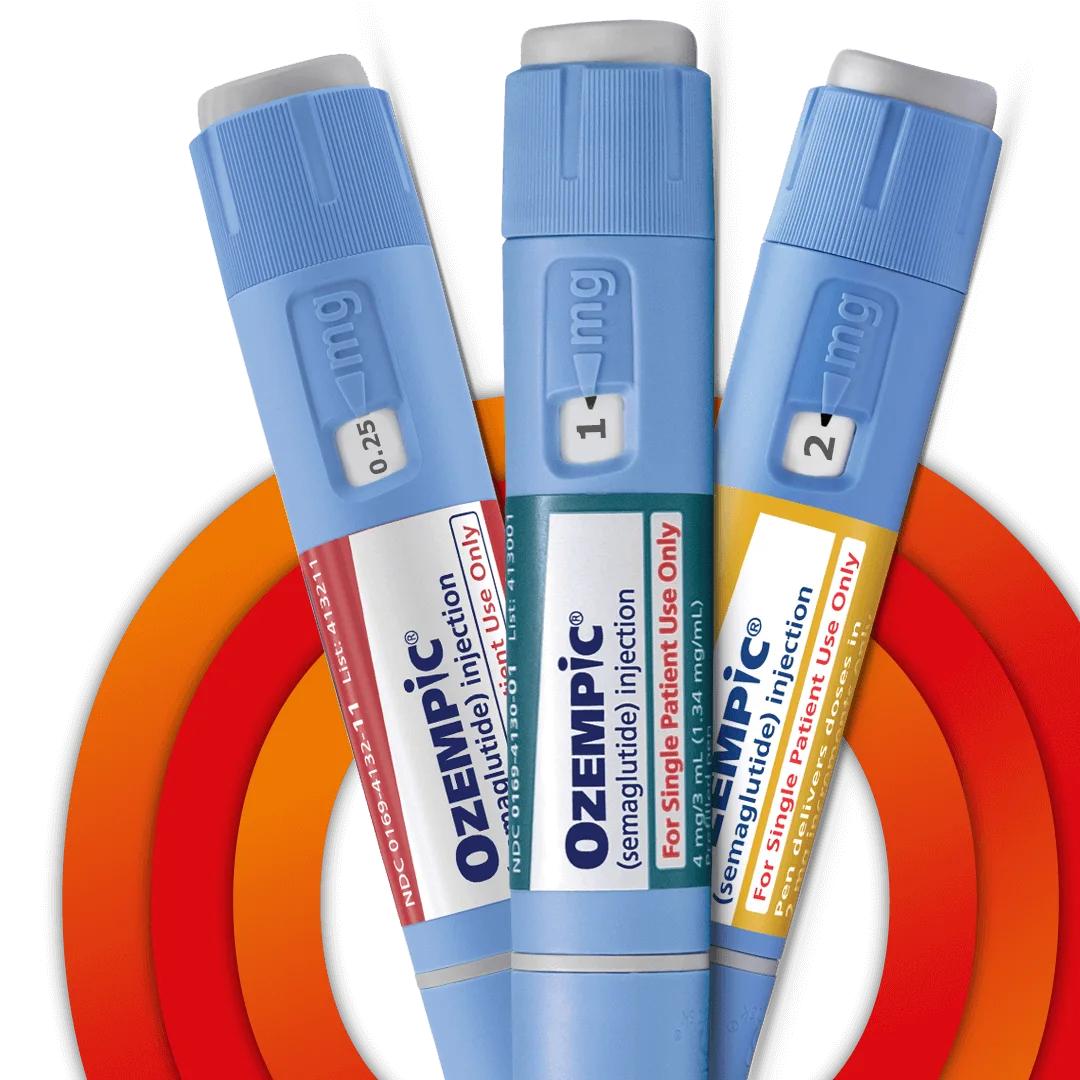
Calling berberine “nature's Ozempic” is misleading. It does not have the same mechanism, evidence base, or average weight-loss effect as GLP-1 medications.
Typical Doses Used in Studies
Many studies use about 500 mg two or three times per day, often with meals. That does not mean this is the right dose for every person.
Berberine can cause gastrointestinal side effects, and the best dose may depend on tolerance, medications, and the reason it is being used.
Side Effects and Interactions
Common side effects include nausea, cramping, constipation, diarrhea, and bloating. Berberine can also interact with medications by affecting drug transport and metabolism.
It should not be used during pregnancy or breastfeeding, and it is not appropriate for infants because of bilirubin-related safety concerns.
Who Might Benefit Most?
The most reasonable candidates are adults with insulin resistance, type 2 diabetes, dyslipidemia, or other metabolic problems who are looking for an adjunct to diet, activity, and medical care.
If blood sugar is already well controlled or you take glucose-lowering medication, monitoring matters because combining interventions can push glucose lower than expected.
The Bottom Line
Berberine is one of the more interesting metabolic supplements, but it is not a miracle drug. The evidence is strongest for glucose and lipid markers, while weight-loss claims are less certain.
Use it like a biologically active compound, not like a harmless wellness powder.
What to Monitor if You Use Berberine
If the goal is glucose control, track fasting glucose, post-meal readings when relevant, and A1C over time. If the goal is lipids, repeat the lipid panel after enough time has passed to judge a change.
Do not rely on how you feel. Metabolic markers can improve or worsen without obvious symptoms.
Product Quality Matters
Supplements are not all manufactured to the same standard. Look for a product that clearly lists the amount of berberine per serving and uses independent quality testing when possible.
A complicated blend makes it harder to know how much berberine you are actually taking and what caused a side effect.
For related reading, explore berberine for weight loss, GLP-1 supplements, and our General Health section.