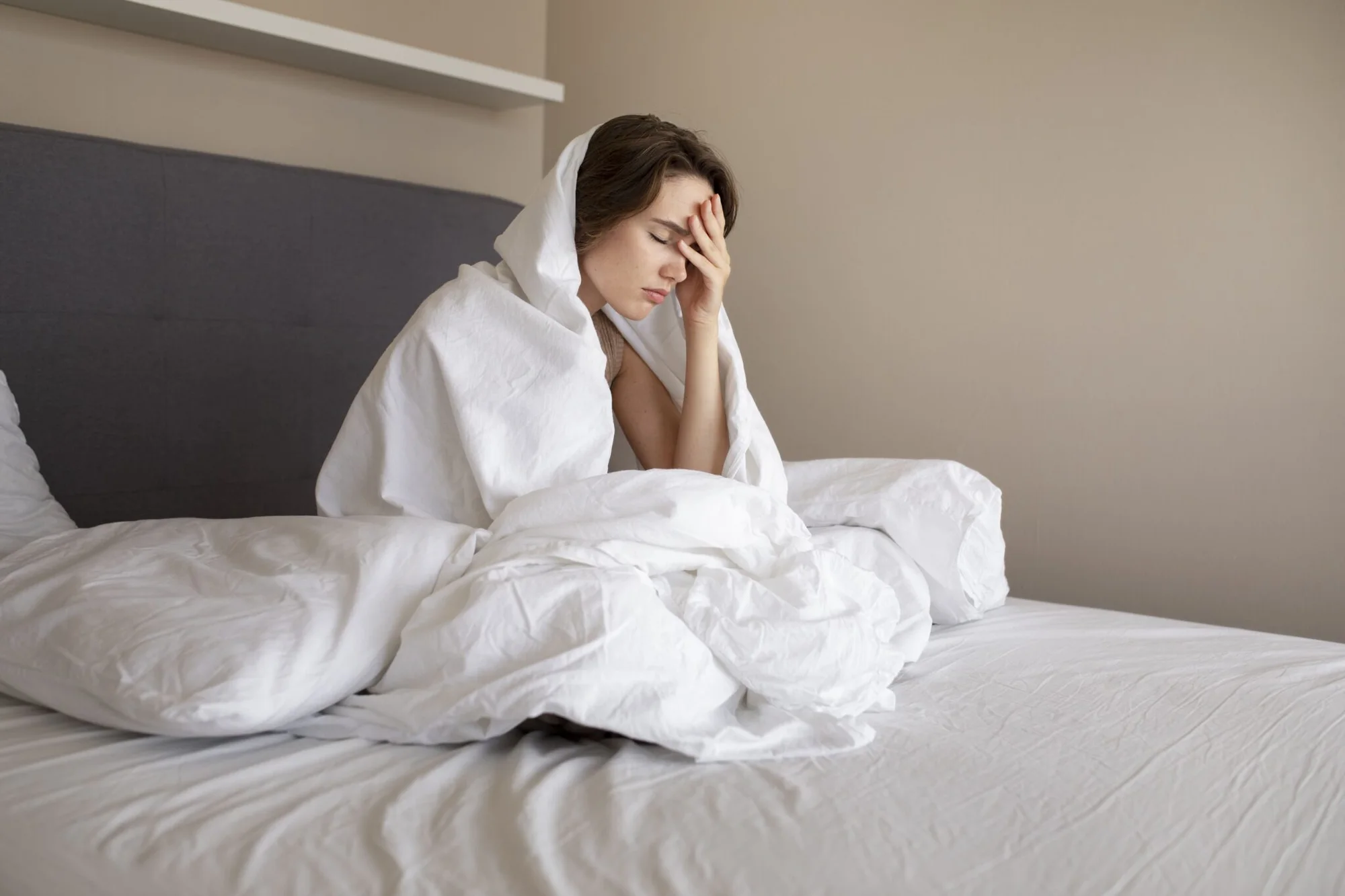
One bad night can make you tired and irritable. Chronic sleep loss can do much more.
Sleep affects the brain, hormones, glucose control, blood pressure, appetite, immune function, and the ability to recover from physical and mental stress.
What Sleep Deficiency Does
When sleep is too short or poor in quality, attention, reaction time, memory, and decision-making suffer. Even losing one or two hours a night for several nights can noticeably reduce performance.
Sleep problems also change how the body regulates stress, appetite, blood sugar, and cardiovascular function.
Sleep and Metabolic Health
Ongoing sleep deficiency is linked with obesity and type 2 diabetes. One reason is that poor sleep can change hunger signals and make blood sugar harder to control.
Sleep loss does not guarantee weight gain or diabetes. It is one factor that can push metabolism in the wrong direction when combined with poor diet, stress, and low activity.
Sleep and Cardiovascular Health
Good sleep supports normal blood-pressure regulation and cardiovascular recovery. Chronic sleep deficiency is associated with a higher risk of high blood pressure, heart disease, and stroke.
Sleep apnea is especially important because repeated breathing interruptions can strain the cardiovascular system while also destroying sleep quality.
Sleep and Mental Health
Poor sleep can worsen anxiety, irritability, low mood, and emotional control. Depression and anxiety can also make sleep worse, creating a two-way problem.
Severe insomnia or a sudden major change in sleep should not be brushed off as a lifestyle issue, especially when it comes with depression, panic, or thoughts of self-harm.
What Actually Helps
- Keep a regular sleep and wake time most days.
- Get bright light earlier in the day and reduce bright light late at night.
- Limit caffeine late in the day.
- Keep the bedroom dark, quiet, and cool.
- Exercise regularly if your health allows it.
- Address snoring, apnea, pain, reflux, restless legs, and medication effects.
If you routinely cannot sleep despite doing the basics, the answer may be a sleep disorder or another health problem, not a lack of discipline.
The Bottom Line
Sleep is one of the foundations of health. It affects how you think today and how your cardiovascular, metabolic, and immune systems function over time.
Do not treat persistent poor sleep as normal just because it is common.
How Much Sleep Do Adults Need?
Most adults do best with at least seven hours of sleep on a regular basis, although individual needs vary. Time in bed is not the same as good sleep if you wake repeatedly, stop breathing, or never feel rested.
Sleep quality matters as much as the clock. Someone who spends eight hours in bed with untreated sleep apnea may still be severely sleep deprived.
When Poor Sleep Needs More Than Better Habits
Talk with a healthcare professional if insomnia lasts for months, you snore loudly, stop breathing in your sleep, wake choking, feel dangerously sleepy during the day, or have restless legs that keep you awake.
Cognitive behavioral therapy for insomnia, often called CBT-I, is an evidence-based treatment for chronic insomnia. Sleep apnea, restless legs, pain, reflux, menopause symptoms, depression, and medication effects may need their own treatment.
For related reading, explore obesity and health risk, amino acids and blood pressure, and our General Health section.